

Architecture books serve as our bridge between built form and human imagination—each text a portal into history, theory, craftsmanship, sustainability, or urban dynamics. From Francis D.K. Ching’s definitive design volumes to Vitruvius’s ancient principles and modern explorations of timber, light, or community planning, this collection spans every corner of the architectural craft. Whether you’re researching drafting techniques, lighting design, global vernacular, modernism, or speculative futures, these 50 titles are essential reading—equally enriching for students, practitioners, and anyone passionate about the spatial world.
The Top 50 Books of Architecture
1. [easyazon_link identifier=”0375710825″ locale=”US” tag=”architecture_lab-20″ link_id=”155563″ ref=”a-field-guide-to-american-houses-revised-the-definitive-guide-to-identifying-and-understanding-americas-domestic-architecture-knopf” type=”link”]A Field Guide to American Houses: The Definitive Guide to Identifying and Understanding America’s Domestic Architecture- By Virginia Savage McAlester[/easyazon_link]
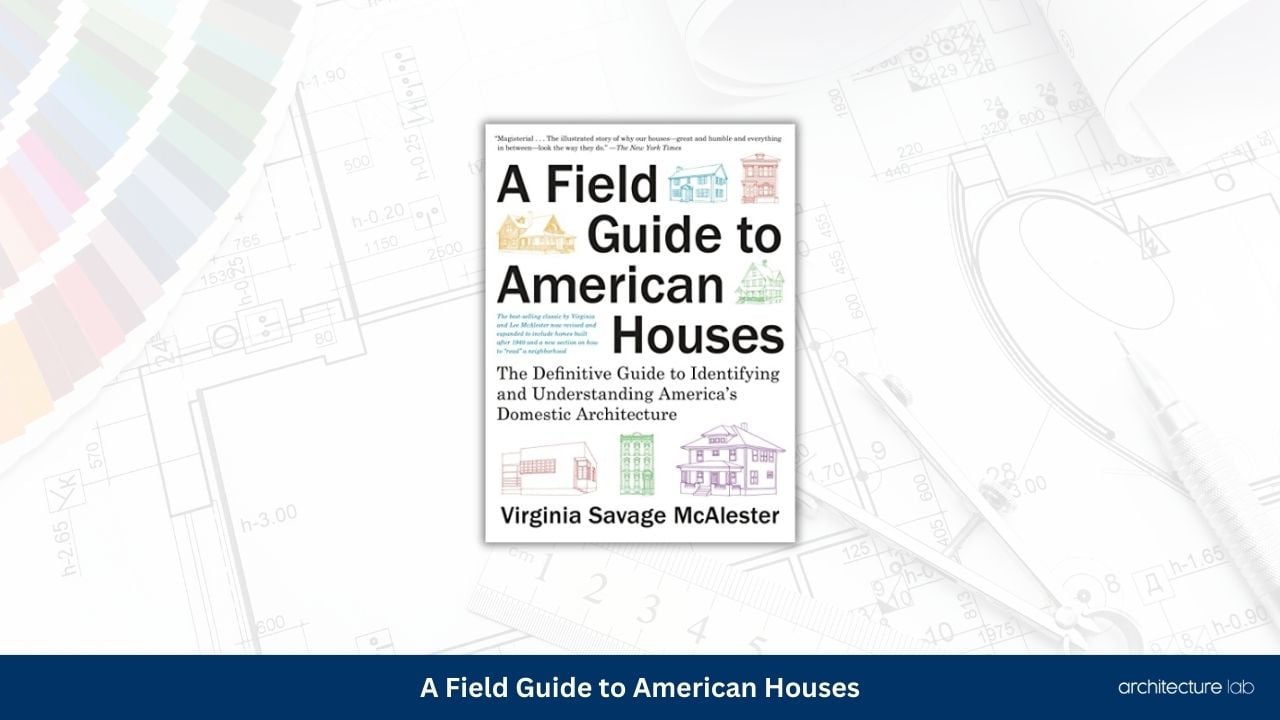
This amazing book covers more than 50 types of American homes, which ranges from the seventeenth-century houses to the modern day mansions.
Enriched with a number of photographs and varied designs, this book can serve a great purpose if you want to get some good ideas for architectural creations. It is both informative as well as pleasing to the eye.
The recent edition of the book contains more than 60 pictures and illustrations and is often deemed as the Bible of architectural books.
2. [easyazon_link identifier=”0813349036″ locale=”US” tag=”architecture_lab-20″ link_id=”155565″ ref=”understanding-architecture-its-elements-history-and-meaning” type=”link”]Understanding Architecture: Its Elements, History, and Meaning- By Leland M. Roth, Amanda C. Roth Clark[/easyazon_link]
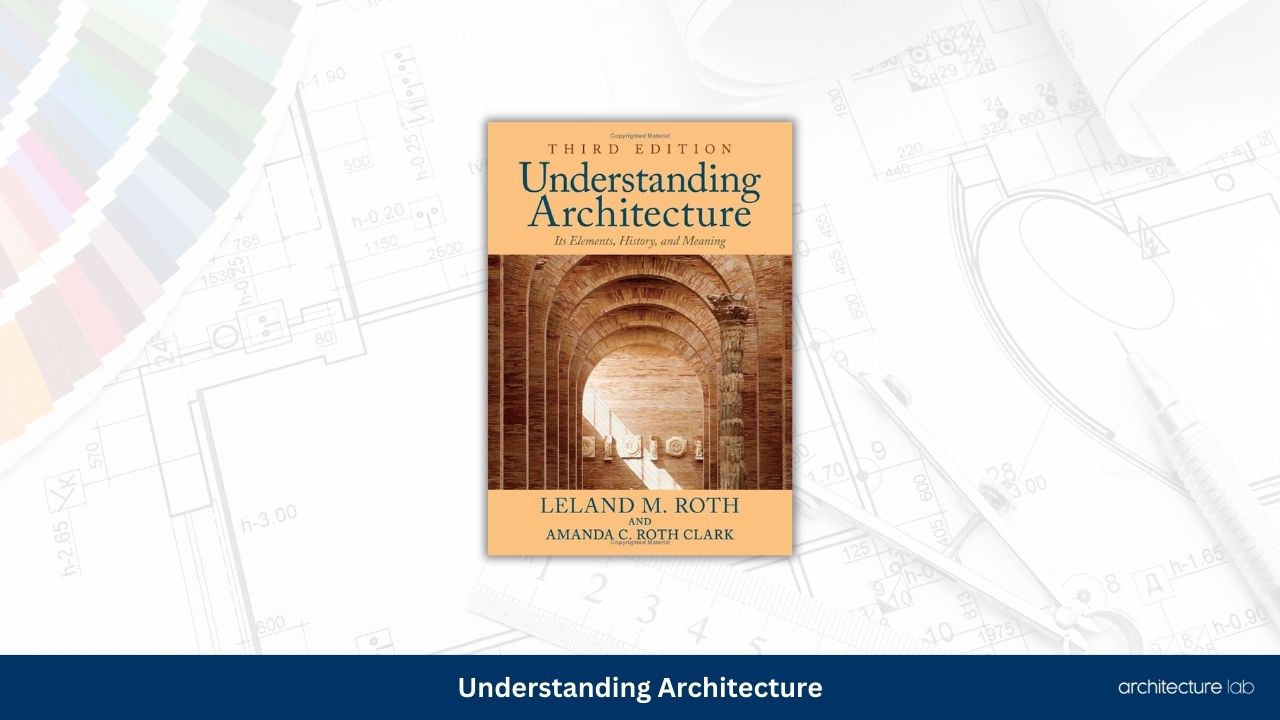
The revised version of this book includes architecture styles from all around the world and includes both olden and modern day architectural cultures. It is both gripping and engaging and could be used in Arts colleges/classes or even for professional and higher educational purpose. It also includes various non-Western architecture styles and gives an in-depth study of the same.
3. [easyazon_link identifier=”1118745086″ locale=”US” tag=”architecture_lab-20″ link_id=”155567″ ref=”architecture-form-space-order” type=”link”]Architecture: Form, Space, and Order- By Francis D.K. Ching[/easyazon_link]
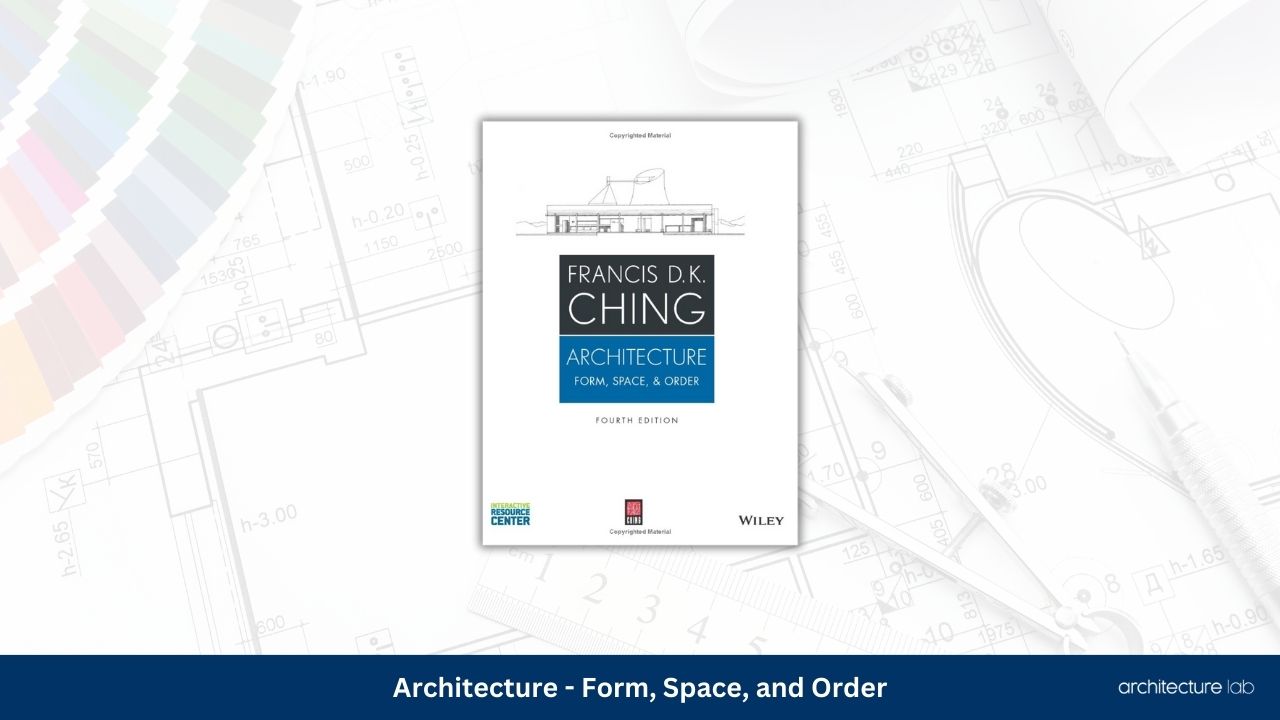
The primary objective of this book is to reduce the complexity of architectural designs and its technicalities. This revised version of the book could be used as an introduction into the general vocabulary of architectural models and its usage.
It has several beautiful illustrations of spaces and form, and helps in engaging the audience, by instilling in them a sense of critical thinking and thoughts regarding the subject. It is a must have for everyone in the creative field of designing!
4. [easyazon_link identifier=”1619601842″ locale=”US” tag=”architecture_lab-20″ link_id=”155569″ ref=”architecture-residential-drafting-and-design” type=”link”]Architecture: Residential Drafting and Design-By Clois E. Kicklighter Ed. D., W. Scott Thomas[/easyazon_link]
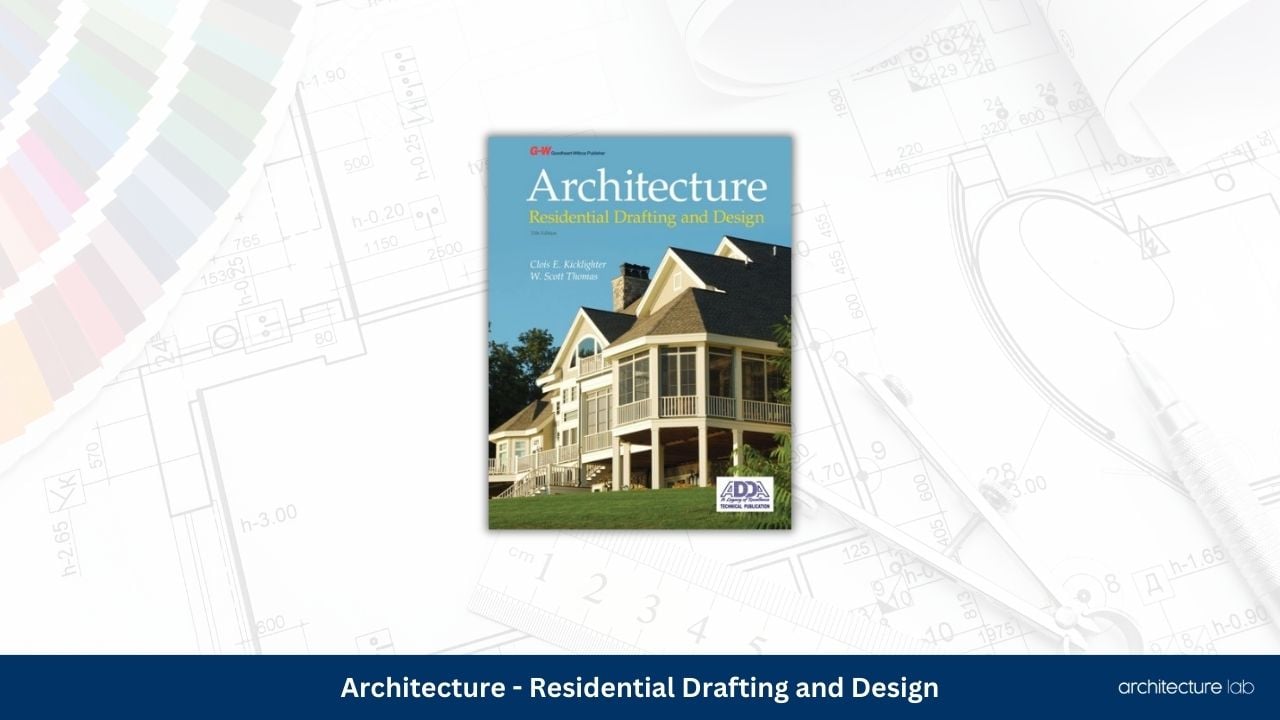
A comprehensive book on architectural designs and drafting methods, this book draws light on both traditional methods of architectural studies as well as the computer-based systems, which widely helps the students from school to college level.
It is also helpful for professionals to understand different and unique ways how drafting works and how sustainable designs are the need of the future. It also provides certain challenges for the readers, thus enhancing their problem-solving skills.
5. [easyazon_link identifier=”1592538584″ locale=”US” tag=”architecture_lab-20″ link_id=”155571″ ref=”the-language-of-architecture-26-principles-every-architect-should-know” type=”link”]The Language of Architecture: 26 Principles Every Architect Should Know- By Andrea Simitch, Val Warke[/easyazon_link]
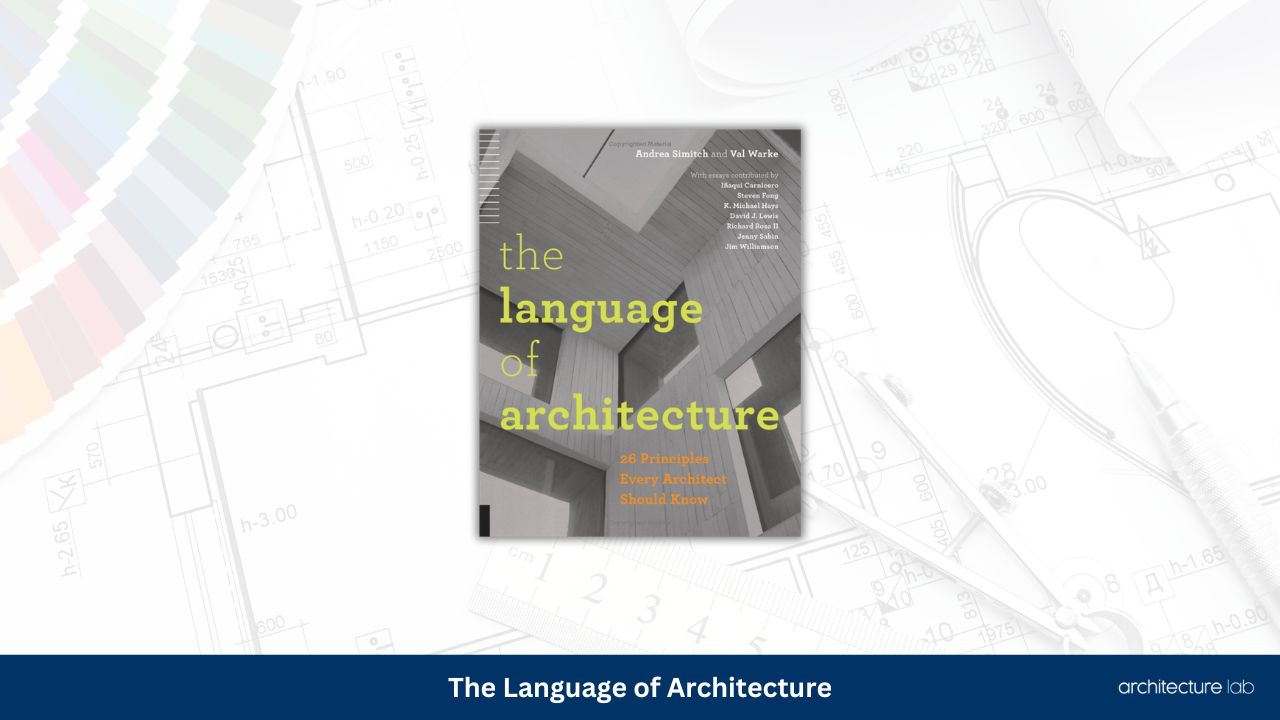
This book is based on 26 building blocks or basic principles of architecture and how these help in the deeper understanding of the subject. The books go from the basic level to much more complex levels and thus, help in understanding the complexities of architecture and designs.
The usage of good images and simple, clear writing makes the book a library essential. It is recommended for both students and professionals alike.
6. [easyazon_link identifier=”1592538487″ locale=”US” tag=”architecture_lab-20″ link_id=”155573″ ref=”the-architecture-reference-specification-book-everything-architects-need-to-know-every-day” type=”link”]The Architecture Reference & Specification Book: Everything Architects Need to Know Every Day-By Julia McMorrough[/easyazon_link]
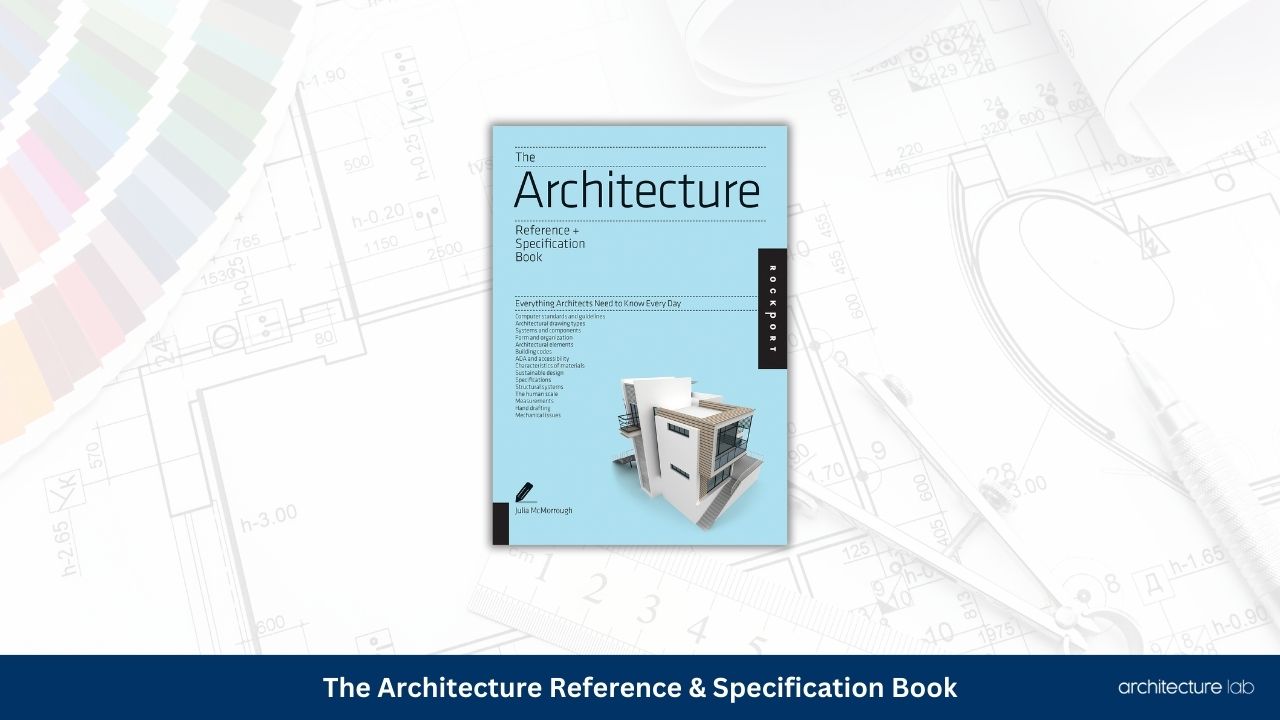
A very practical and technical book which is compact, easy to carry around and refer to, for professionals and students on the go.
If you are someone who is looking for a very fancy and storybook-type of a textbook, then this is not the book for you. It is much more precise, informative and is ideal for those with an engineering-based background. It is a must have while designing and planning.
7. [easyazon_link identifier=”1419724045″ locale=”US” tag=”architecture_lab-20″ link_id=”155575″ ref=”the-new-old-house-historic-modern-architecture-combined” type=”link”]The New Old House-Historic & Modern Architecture Combined-By Marc Kristal[/easyazon_link]
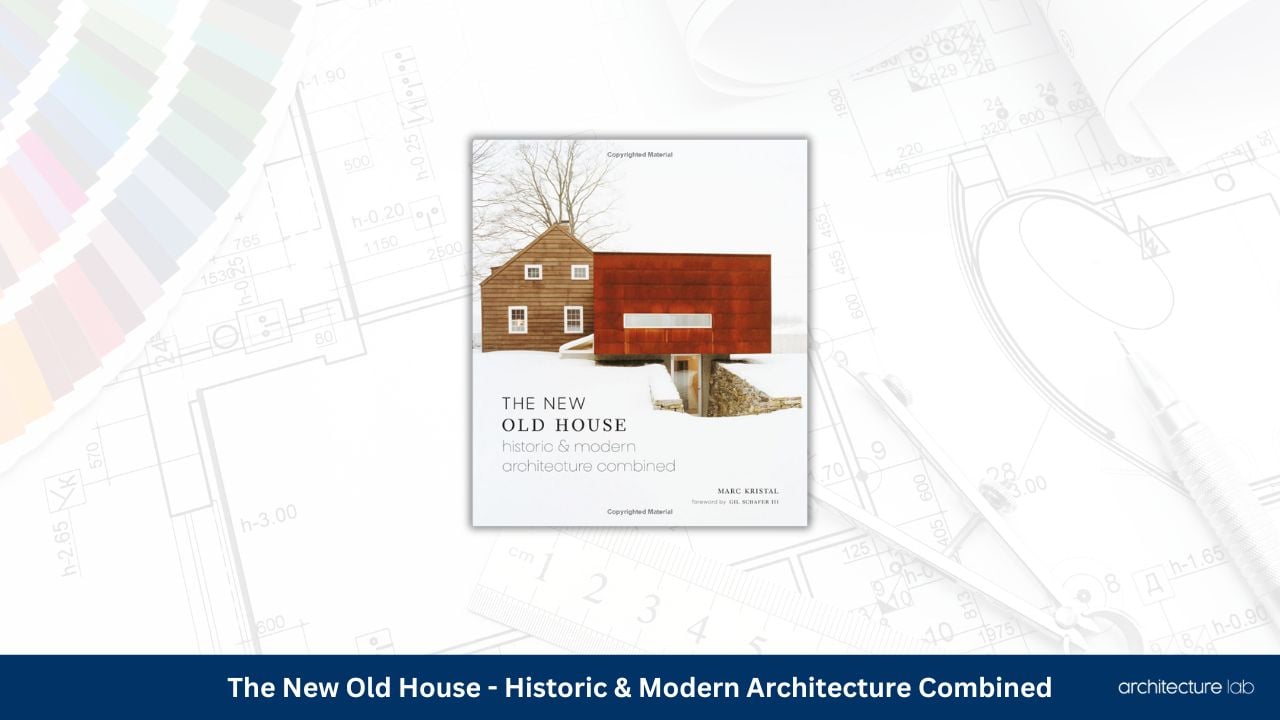
An interesting take on featuring timeless houses and their designs from Europe and North America, this book features 18 private houses which go back into the history.
These houses have been revamped in the modern time and are being used for various purposes. The smooth ways of how olden designs and culture bring about a beautiful amalgamation of architectural wonders can be seen in this book. It is a lucid representation of history, culture, modern day designs- all mixed!
8. [easyazon_link identifier=”0789202174″ locale=”US” tag=”architecture_lab-20″ link_id=”155577″ ref=”st-petersburg-architecture-of-the-tsars” type=”link”]St. Petersburg: Architecture of the Tsars-By Dmitri O. Shvidkovsky[/easyazon_link]
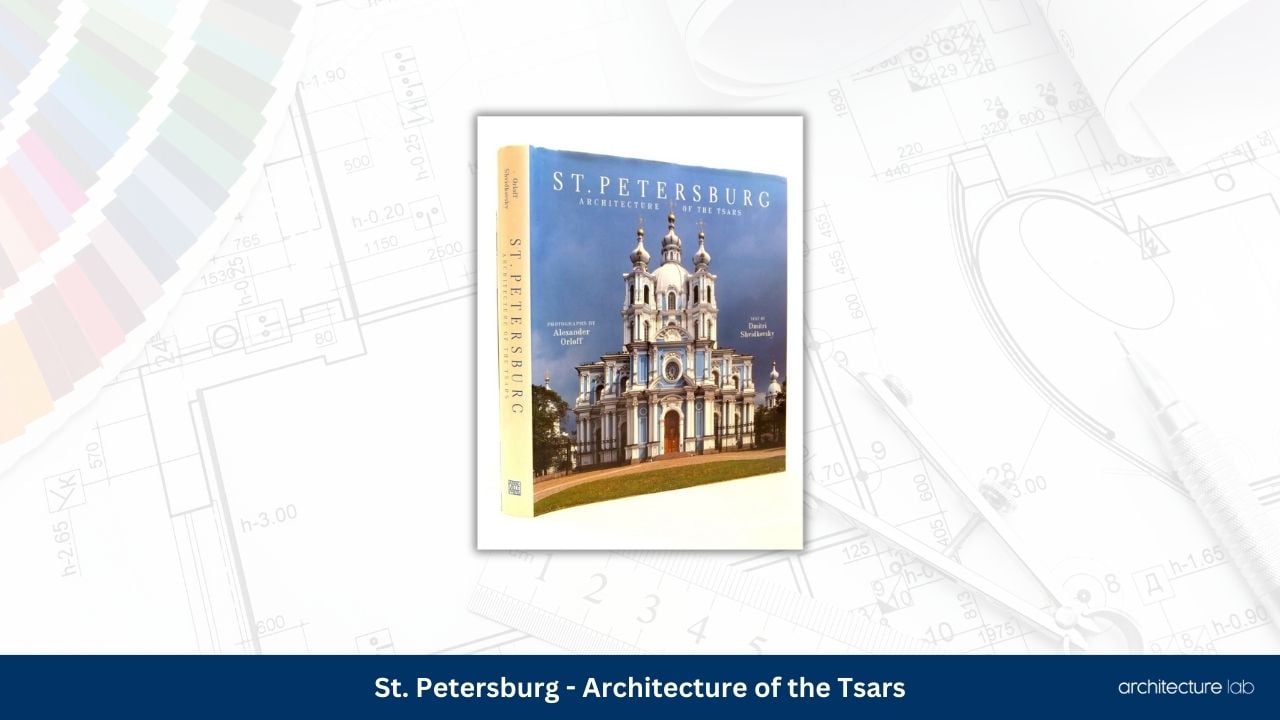
Visiting the history, this book focuses on the study of the construction of St. Petersburg, during the rule of the Russian Tsars. This white town is known for its breathtaking architecture, and this book showcases the interiors as well as exteriors of the city beautifully.
Compiled with lots of pictures, detailed descriptions and loads of information, this book gives great insight into the architectural wonder of St. Petersburg. A mixture of art, architecture, culture, and history, this book is a must buy for enthusiasts!
9. [easyazon_link identifier=”0071452370″ locale=”US” tag=”architecture_lab-20″ link_id=”155579″ ref=”dictionary-of-architecture-and-construction-dictionary-of-architecture-construction” type=”link”]Dictionary of Architecture and Construction-By Cyril M. Harris[/easyazon_link]
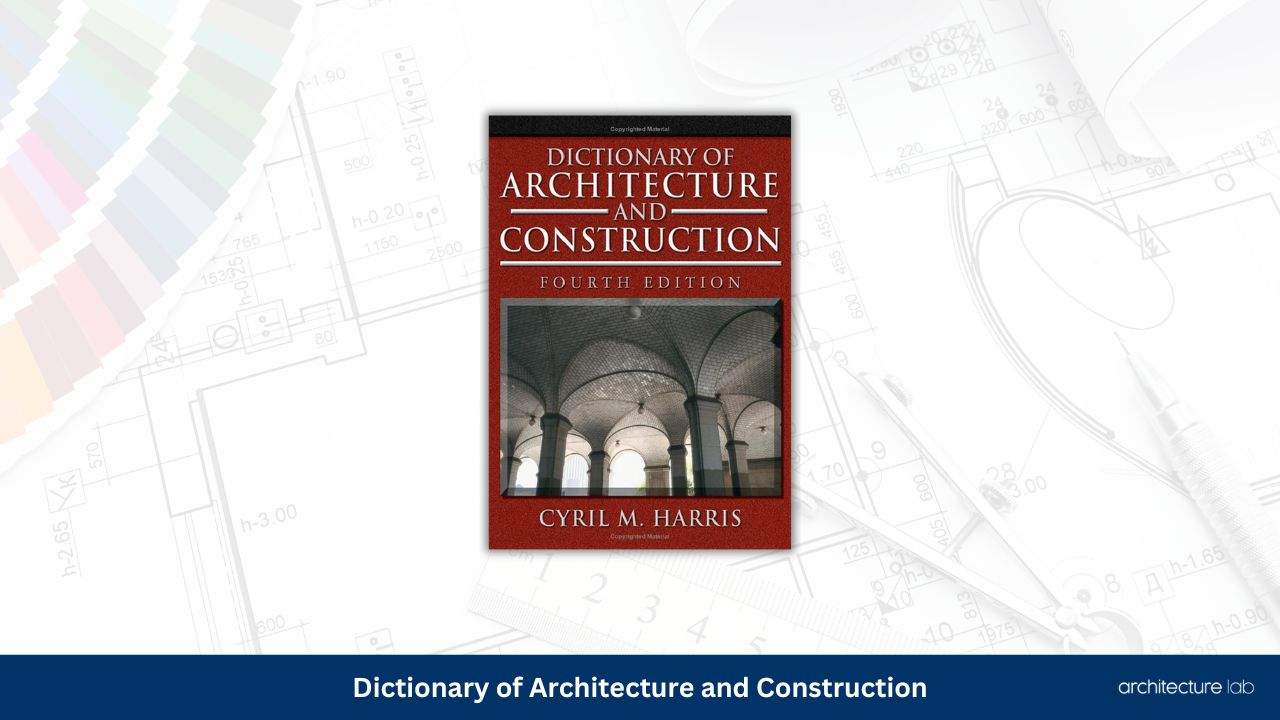
The best architectural dictionary available out there, this book holds more than 25,000 definitions, including the newly added terms and words frequently used in the field.
Due to changing technology, time and developments, new terms keep getting added to the architectural world and maintaining a continuous record of them becomes difficult. However, the fourth edition of this book helps in tackling such issues, thus making it a definite addition to architecture students, professionals, and builders.
10. [easyazon_link identifier=”0131830651″ locale=”US” tag=”architecture_lab-20″ link_id=”155581″ ref=”architecture-from-prehistory-to-postmodernity-reprint-2nd-edition” type=”link”]Architecture. From Prehistory to Postmodernity – By Marvin Trachtenberg, Isabelle Hyman[/easyazon_link]
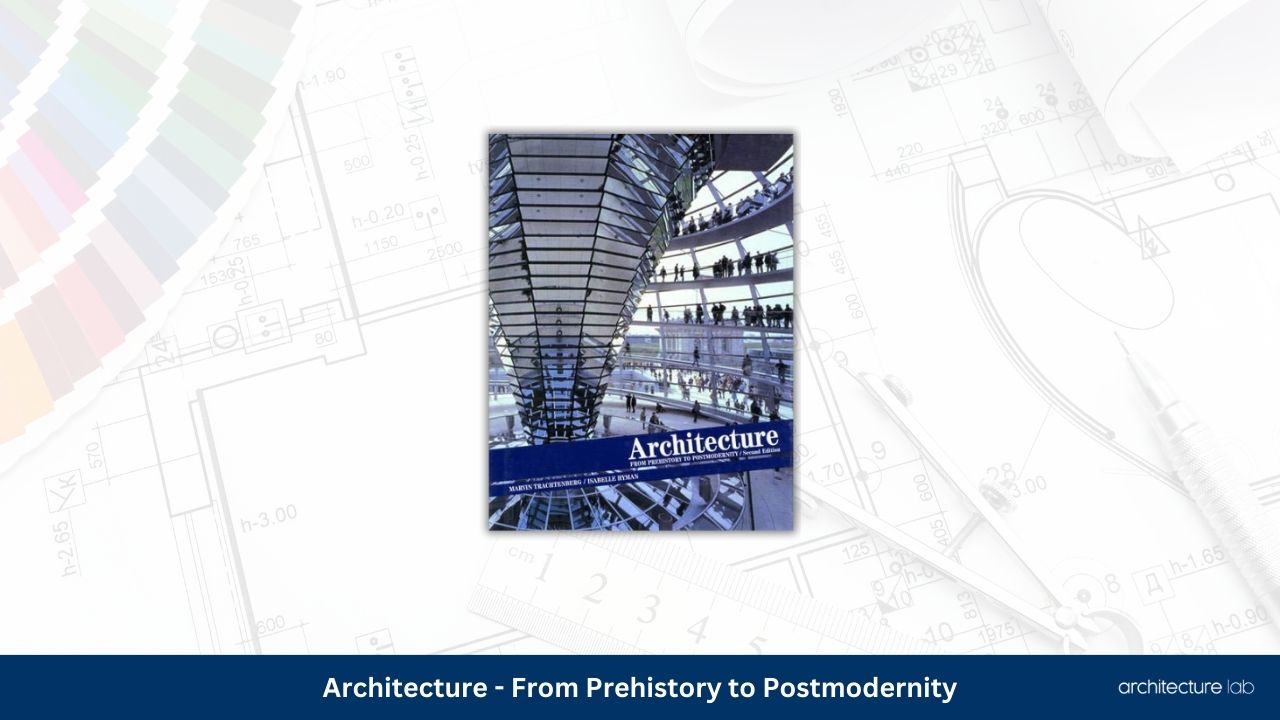
History plays a vital role in architecture, and most books will portray that. This book too, focuses on how historical trends are taken forward, analysed, changed and overviewed to come up with modern-day wonders.
The book shows various periods of architecture and depicts how history and culture dominate the architecture of a region. The book also includes software architecture, which is an added perk for its readers.
11. [easyazon_link identifier=”1476784922″ locale=”US” tag=”architecture_lab-20″ link_id=”155583″ ref=”the-future-of-architecture-in-100-buildings-ted-books” type=”link”]The Future of Architecture in 100 Buildings (TED Books)- By Marc Kushner[/easyazon_link]
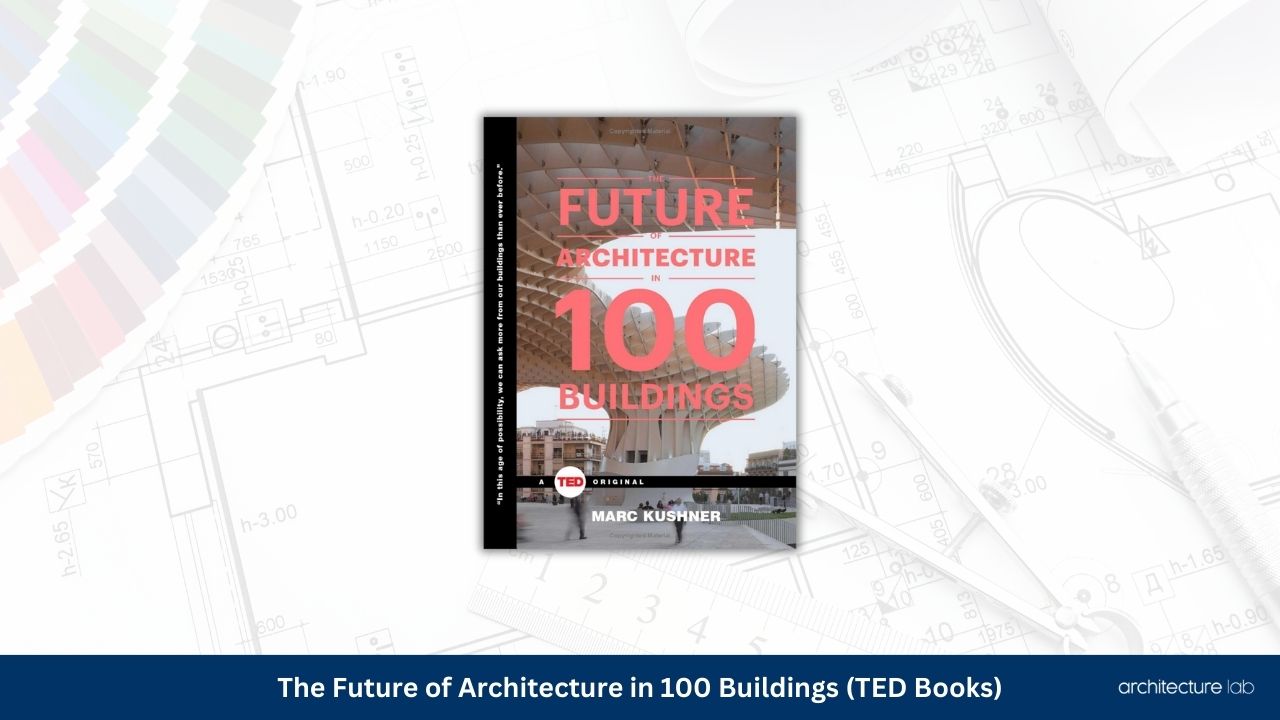
Keeping in mind the buildings of today and tomorrow, this book is crafted as an amazing example as to how modern day architecture can bring changes in the world. This book shows a sustainable approach towards architecture, where buildings are not just spaces, but are also a boon to the environment.
The book focuses on 100 most important buildings of today and the future, and how they can help change the future of architecture and designing. It questions the ability of various architectural wonders of the world and is truly thought-provoking.
12. [easyazon_link identifier=”0470648856″ locale=”US” tag=”architecture_lab-20″ link_id=”155585″ ref=”a-visual-dictionary-architecture-second-edition” type=”link”]A Visual Dictionary of Architecture-By Francis D. K. Ching[/easyazon_link]
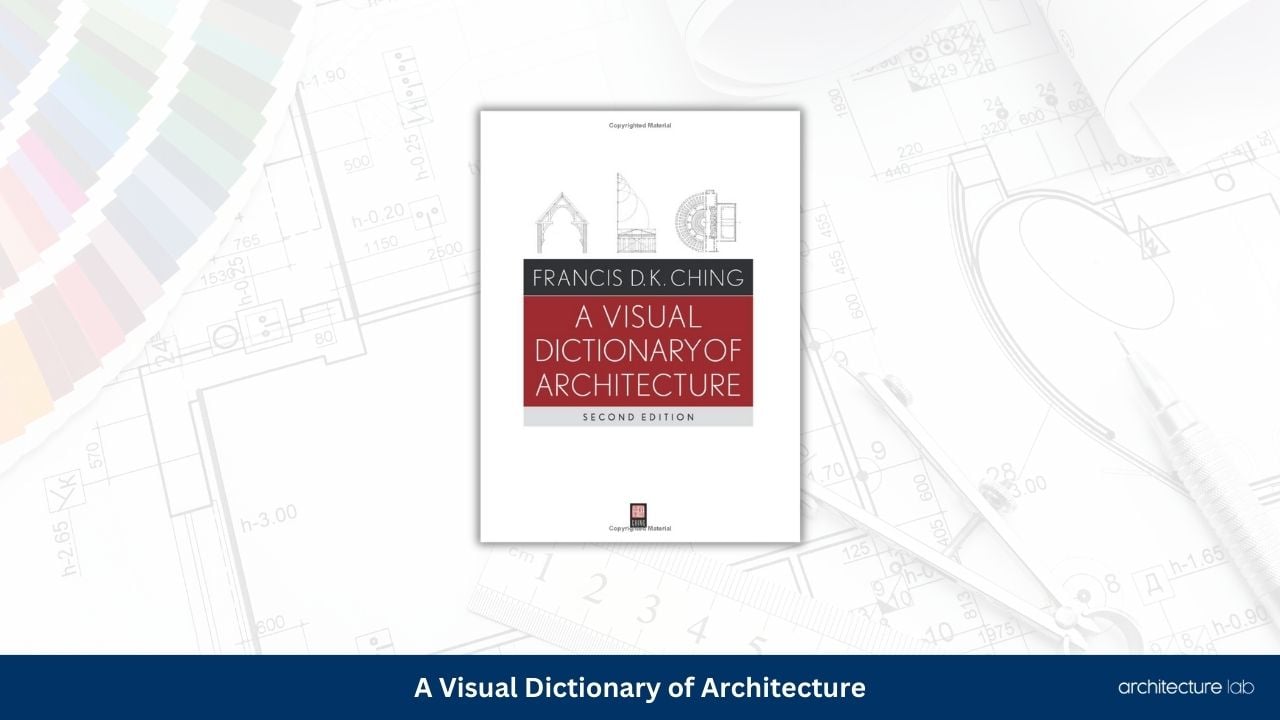
Elegantly written in simple language and with an organized structure, this book is one of the best architectural dictionaries in the market. It has concise and accurate definitions accompanied by illustrations and hand-drawn pictures for better understanding.
The author of this book is a brilliant professor and architect himself. He has presented the book to understand the basic terms, concepts, the various methods, and technologies which are required in the field.
13. [easyazon_link identifier=”0500343187″ locale=”US” tag=”architecture_lab-20″ link_id=”155587″ ref=”architecture-in-wood-a-world-history” type=”link”]Architecture in Wood: A World History- By Will Pryce[/easyazon_link]
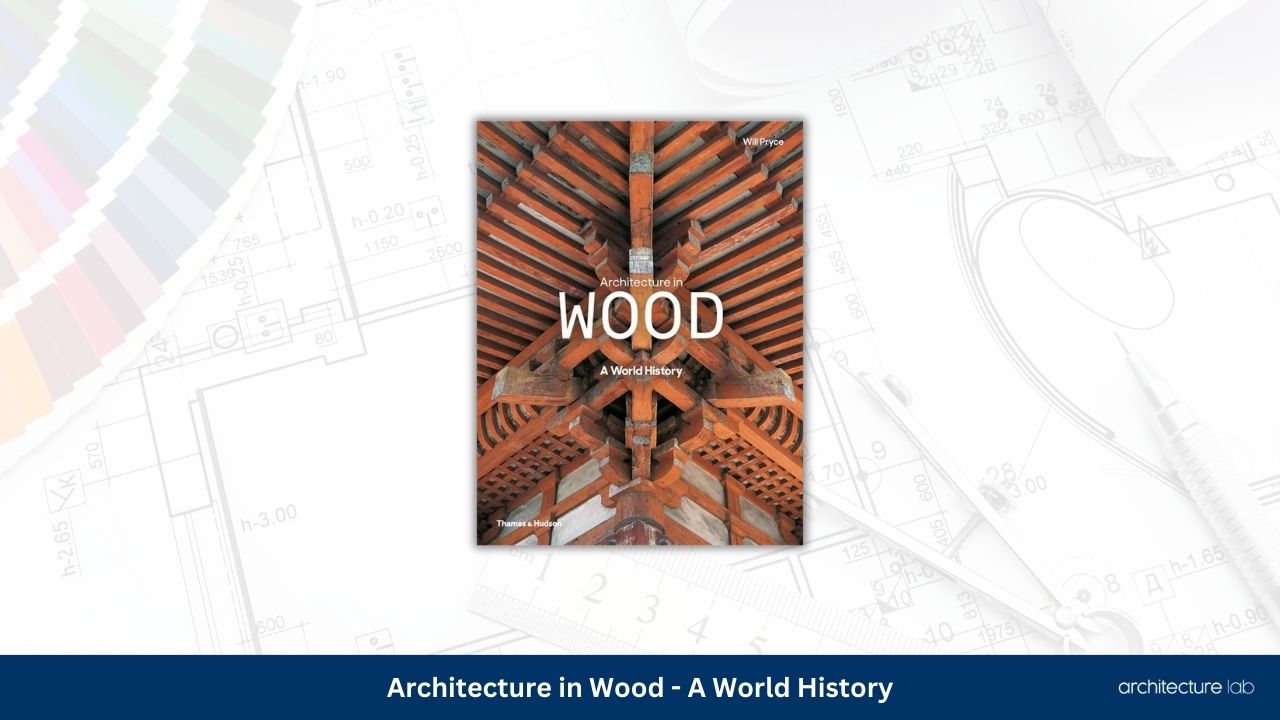
Filled with aesthetically and technically appealing pictures, this book gives a first-hand experience of various buildings from different places. The author, who is an architect himself as well as a fantastic photographer, has made sure that the book speaks tones about his talents.
He has illustrated how wooden structures are lost in history and how much significance they hold. With the advent of time and modernization, a lot of architects are now bringing back the trend, and this book showcases the same.
14. [easyazon_link identifier=”0810995123″ locale=”US” tag=”architecture_lab-20″ link_id=”155589″ ref=”architecture-a-world-history” type=”link”]Architecture: A World History- By Daniel Borden, Jerzy Elzanowski, Joni Taylor, Stephanie Tuerk[/easyazon_link]
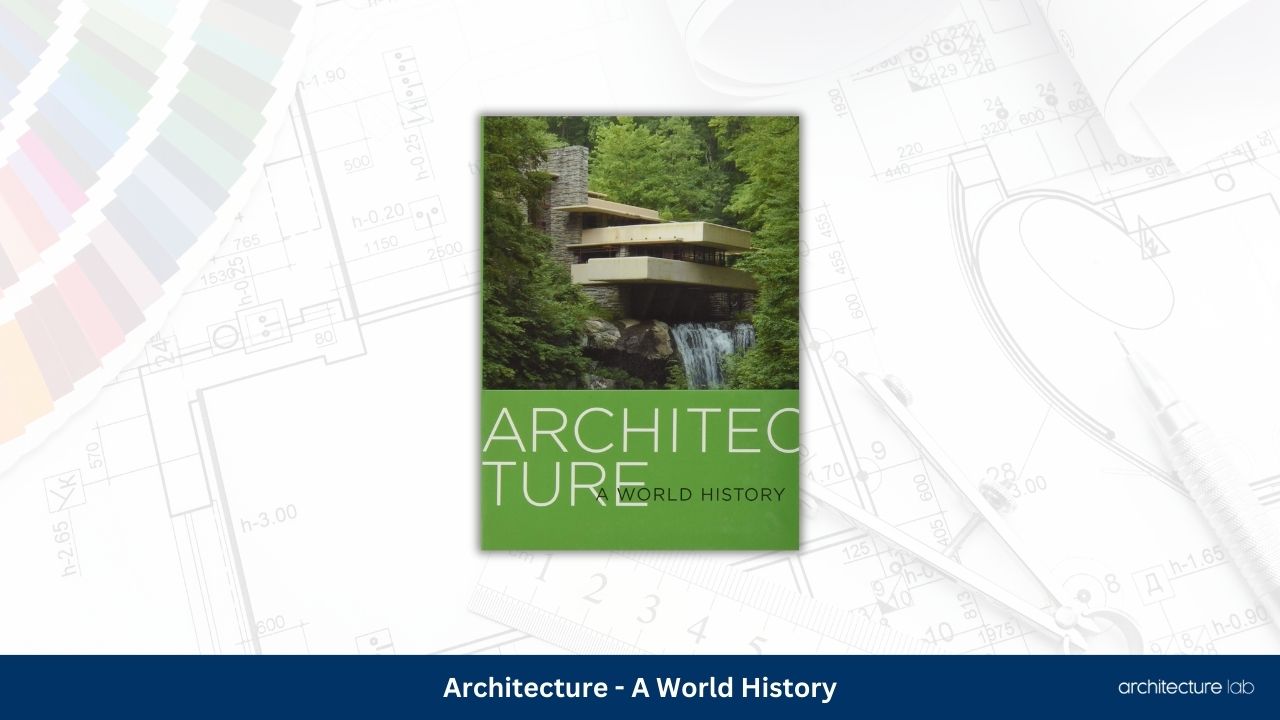
You might have an experience of time traveling into the history and then back to the present while reading this book. It is a fine illustration of how the evolution of architecture took place and the changes it has brought over the years.
There are 600 illustrations in the book, which not only depicts the evolution, but also the several architectural movements and how great architects flourished and came up with masterpieces that went on to live forever.
15. [easyazon_link identifier=”0847835677″ locale=”US” tag=”architecture_lab-20″ link_id=”155591″ ref=”the-splendor-of-cuba-450-years-of-architecture-and-interiors” type=”link”]The Splendor of Cuba: 450 Years of Architecture and Interiors-By Michael Connors[/easyazon_link]
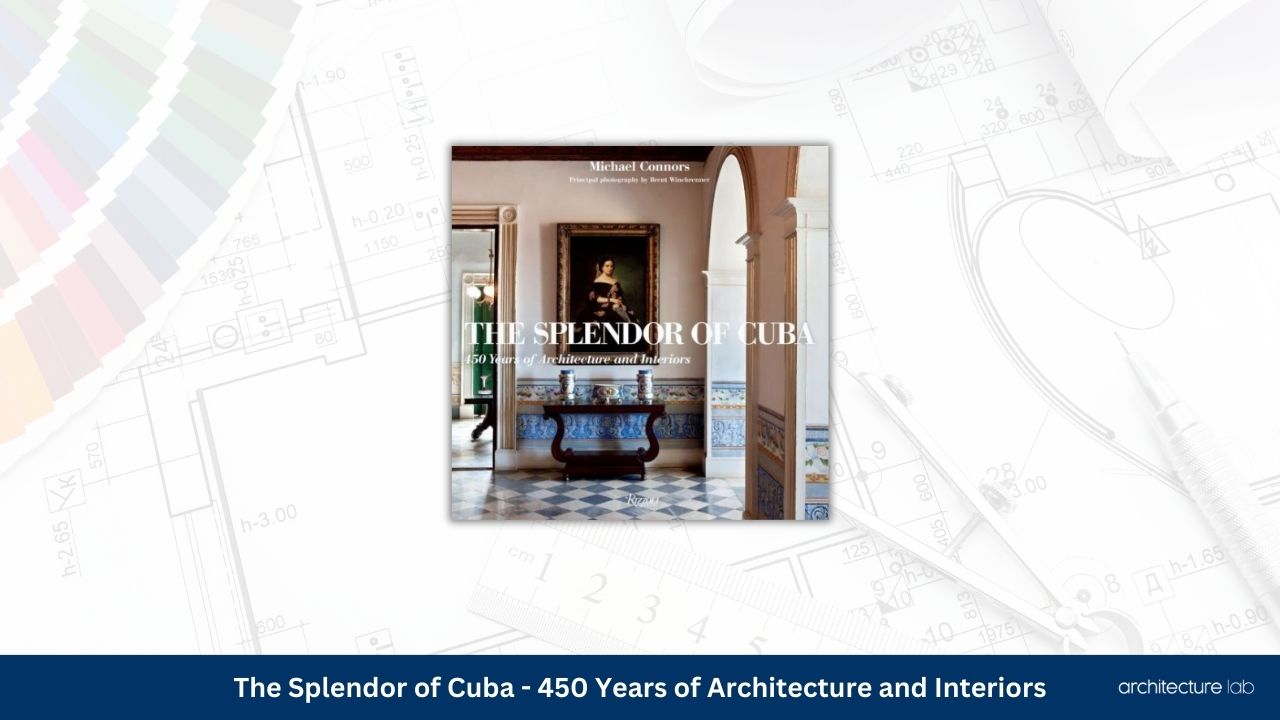
This book talks about the opulence of the Spanish culture and Cuban architecture. It shows a lot of otherwise inaccessible Cuban architectures and fine craftsmanship of the colonial period.
This book shows both interiors as well as exteriors of Cuban architecture accompanied by the fine artwork which is highly appreciated. From palaces, to mansions and private homes, this book covers the magnificence of Cuban architecture.
16. [easyazon_link identifier=”0789329174″ locale=”US” tag=”architecture_lab-20″ link_id=”155593″ ref=”seeking-new-york-the-stories-behind-the-historic-architecture-of-manhattan-one-building-at-a-time” type=”link”]Seeking New York: The Stories Behind the Historic Architecture of Manhattan–One Building at a Time- By Tom Miller[/easyazon_link]
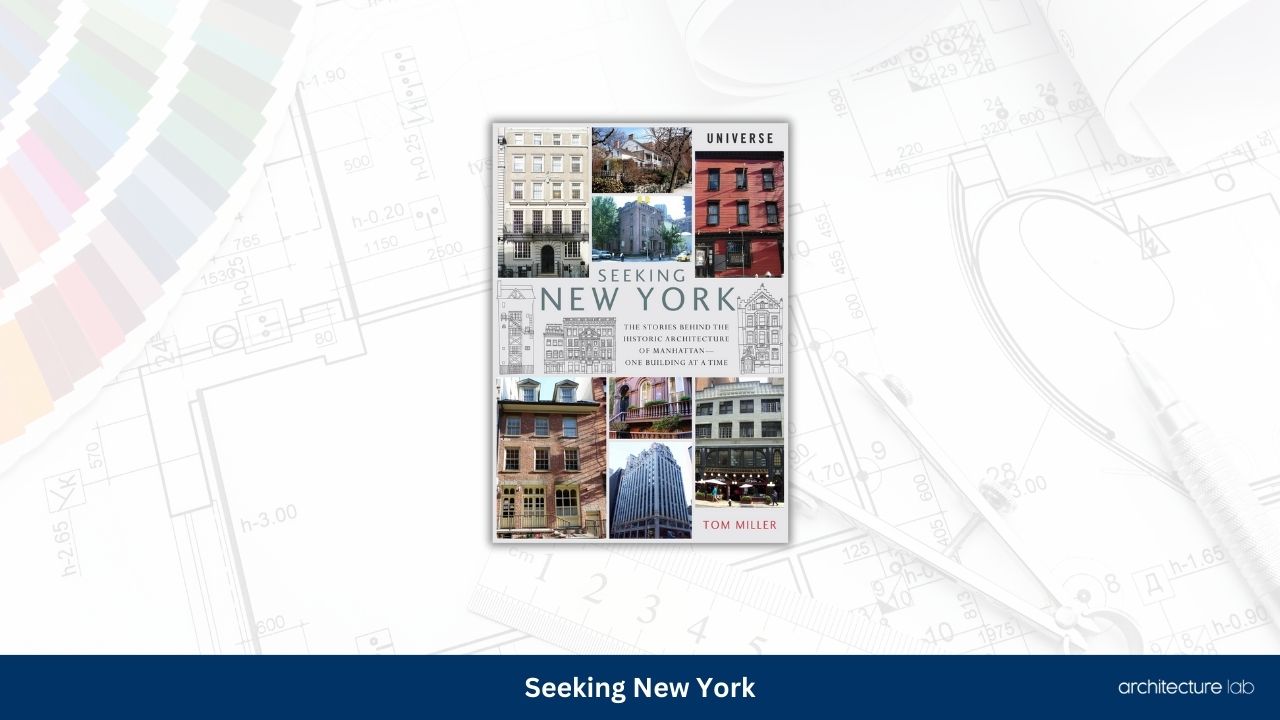
This is one of the best books on the architecture of Manhattan, designed both for students and professionals. It also makes up for a great casual read. Acknowledging huge social and architectural changes that New York has been through, the author talks about various prominent as well as offbeat buildings in the city, including those buildings and construction methods which do not exist anymore.
The book talks about the social structure, the ever-changing life in Manhattan and how architecture evolved along with it. It is filled with line drawings and photographs, and is rich with details. Definitely, it is a must-read for American architecture enthusiasts.
17. [easyazon_link identifier=”0500342741″ locale=”US” tag=”architecture_lab-20″ link_id=”155595″ ref=”world-architecture-the-masterworks” type=”link”]World Architecture: The Masterworks-By Will Pryce[/easyazon_link]
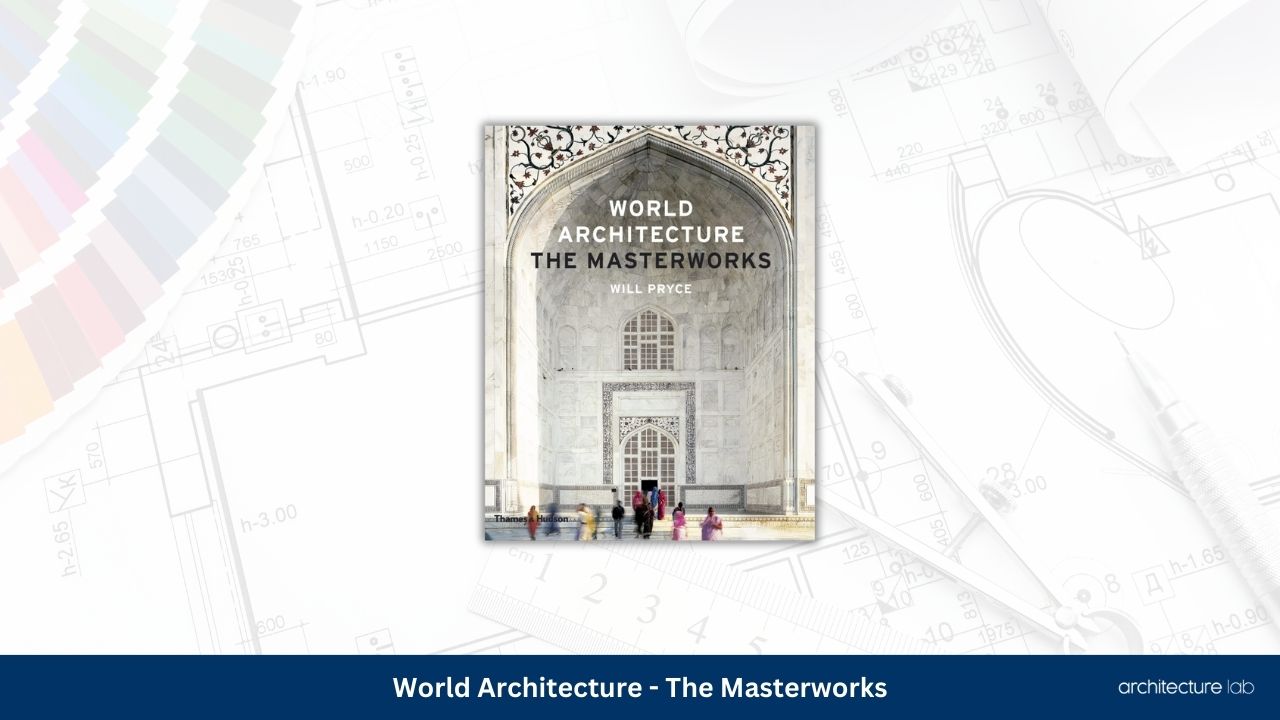
Illustrated with beautiful photos of architectural wonders from over two thousand years, this book focuses on all the magnificent architectural wonders the world has seen over time.
It has around 350 color photos of all the masterpieces, and some of the building images have detailed essays along with them. It sure is a complete book of architectural marvels around the globe.
18. [easyazon_link identifier=”1935202162″ locale=”US” tag=”architecture_lab-20″ link_id=”155597″ ref=”cape-cod-modern-midcentury-architecture-and-community-on-the-outer-cape-distributed-art” type=”link”]Cape Cod Modern: Midcentury Architecture and Community on the Outer Cape-By Peter McMahon, Christine Cipriani[/easyazon_link]
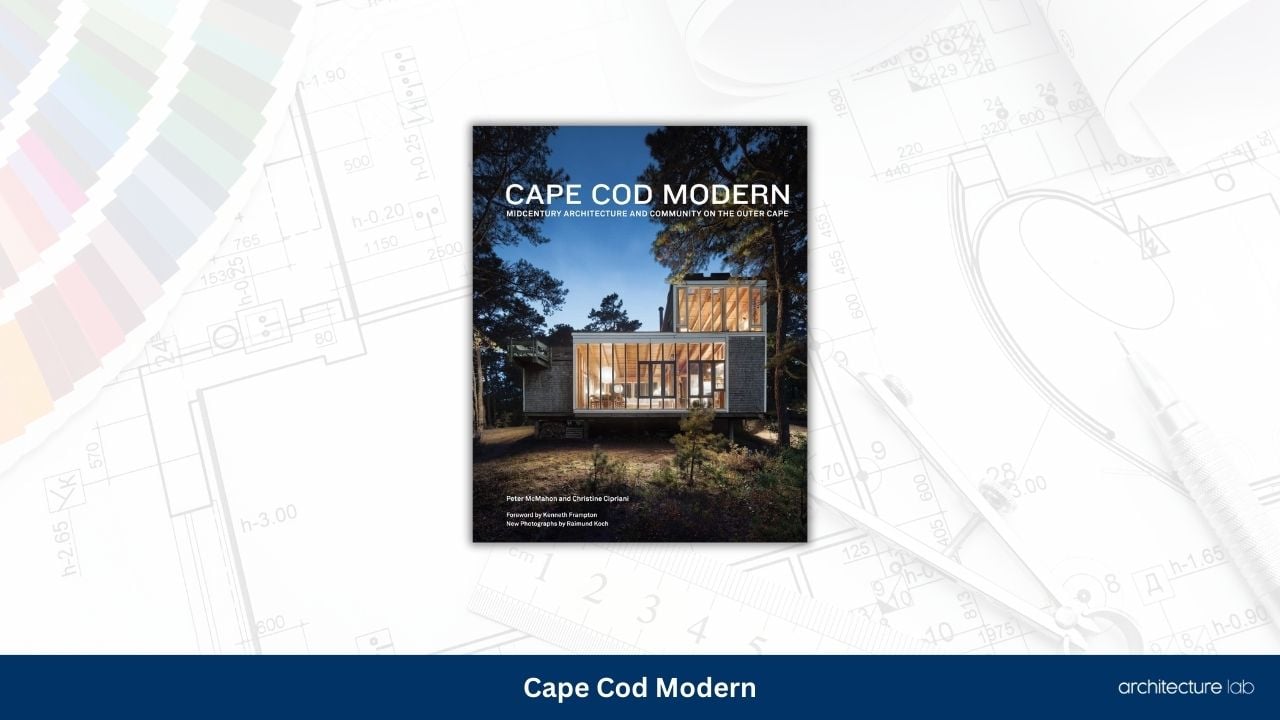
The beautiful architecture and history of Cape Cod are focused in this book, and what a wonderful story it tells! Right from the origin and history of the architectural struggles in the area to the designers and their struggles- the book is a must-read.
Cape Cod is a fishing town, the Bauhaus concepts and the post World WAR-II scenario brought a lot of changes to the architecture in the region. Read through the history of the region and understand how the struggle leads to the making of modern homes.
19. [easyazon_link identifier=”0470088699″ locale=”US” tag=”architecture_lab-20″ link_id=”155599″ ref=”the-architecture-students-handbook-of-professional-practice” type=”link”]The Architecture Student’s Handbook of Professional Practice-By American Institute of Architects[/easyazon_link]
A must-have in your journey in school and college, this book is an unabbreviated guide for students which they compulsorily have to study in the last two years of college. It is also often used in professional settings.
It is a good book for beginners who want to familiarize with the critical terms and technicalities of architecture.
20. [easyazon_link identifier=”1592539610″ locale=”US” tag=”architecture_lab-20″ link_id=”155601″ ref=”the-urban-sketching-handbook-architecture-and-cityscapes-tips-and-techniques-for-drawing-on-location-urban-sketching-handbooks-1″ type=”link”]The Urban Sketching Handbook: Architecture and Cityscapes: Tips and Techniques for Drawing on Location -Urban Sketching Handbooks-By Gabriel Campanario[/easyazon_link]
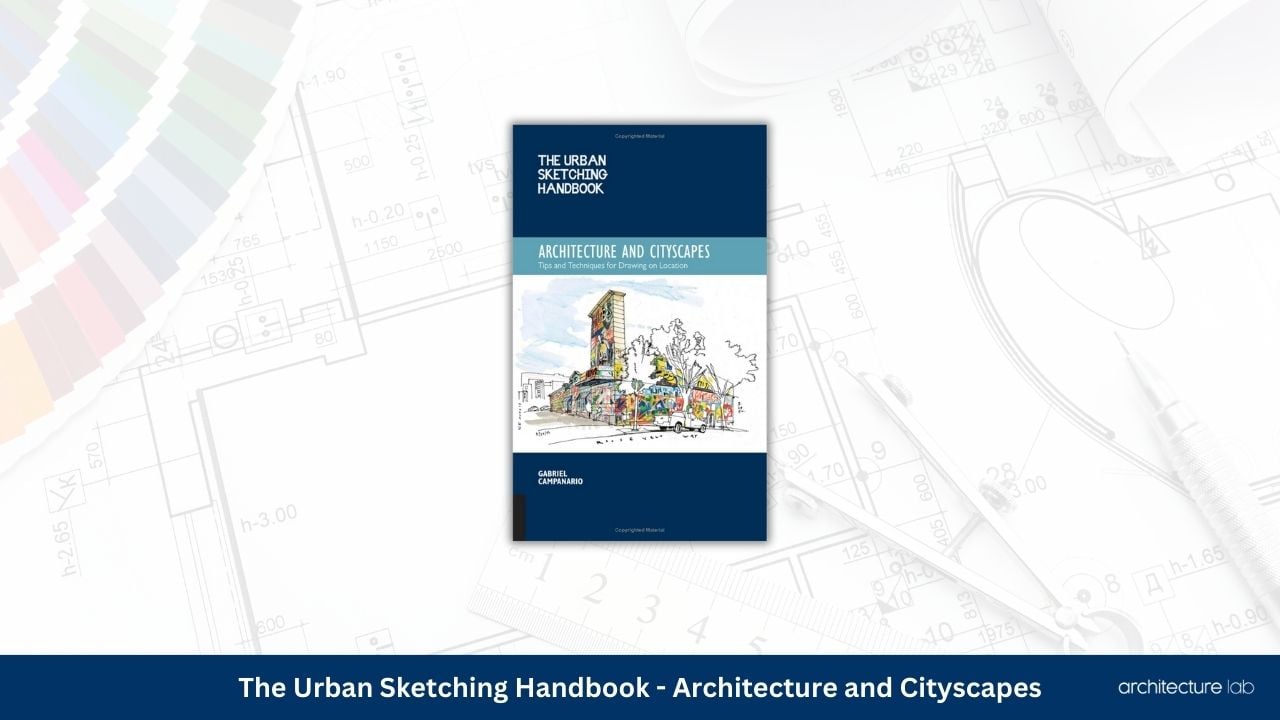
If you are looking to tingle those creative nerves in you, then this is the perfect book for you. Campanario has used various levels of composition, scale, depth, contrast and a lot of creativity to create this guide which has more than 500 sketches.
These sketches are of regular buildings, common places and various other buildings, which are all presented in a detailed manner. This allows the reader to explore more in the world of architecture and learn to be creative.
21. [easyazon_link identifier=”1118142063″ locale=”US” tag=”architecture_lab-20″ link_id=”155603″ ref=”introduction-to-architecture” type=”link”]Introduction to Architecture-By Francis D. K. Ching, James F. Eckler[/easyazon_link]
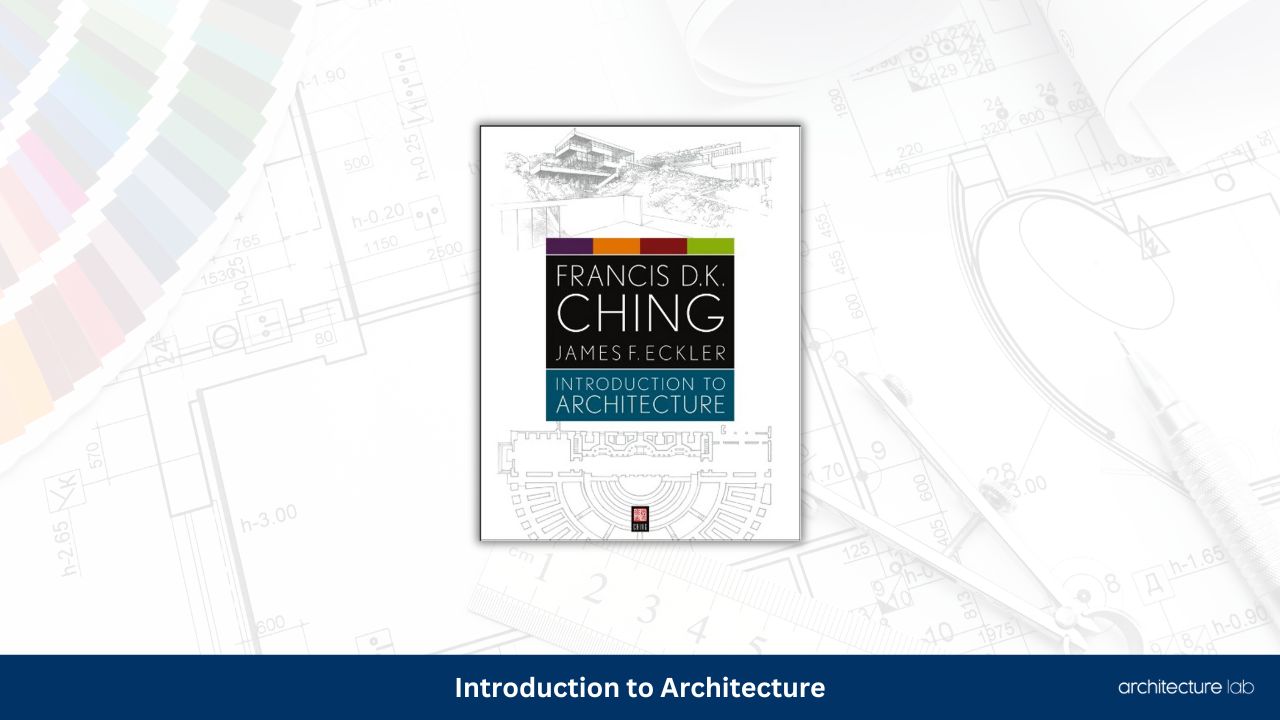
The book is a good reference for beginners as it is presented in a very graphical manner. The drawings are the perfect representation of how beautiful architecture is, as a subject and also talks about the technicalities underneath.
The format of the book is quite easy and thus, comes in handy for students and professionals alike. There are also various theories and suitable histories which are included in the book thus making it is a complete package for the readers.
22. [easyazon_link identifier=”0980061717″ locale=”US” tag=”architecture_lab-20″ link_id=”155605″ ref=”the-architecture-of-light-2nd-edition-a-textbook-of-procedures-and-practices-for-the-architect-interior-designer-and-lighting-designer” type=”link”]The Architecture Of Light. A textbook of procedures and practices for the Architect, Interior Designer, and Lighting Designer.-By Sage Russell[/easyazon_link]
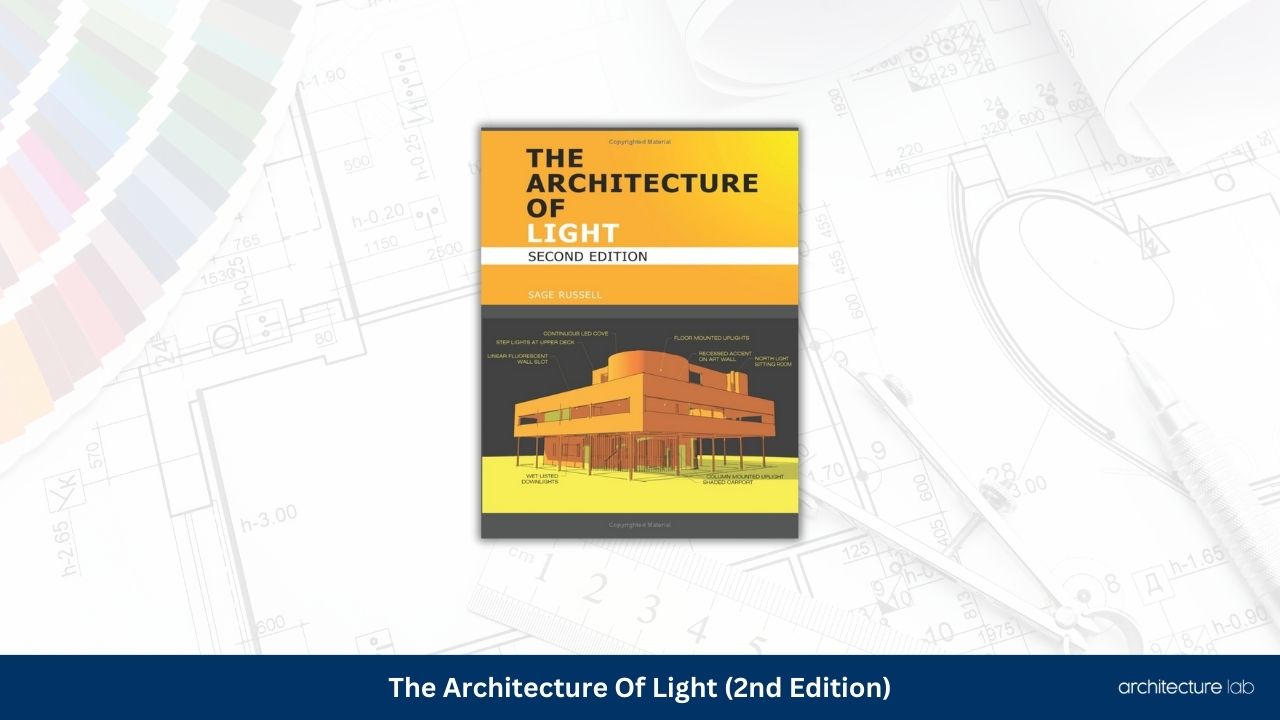
A book that has everything about lighting designs, The Architecture of Light is full of concepts and various techniques used by designers, architects, and students. It even has a step by step guide as to how the entire process of light designing is done.
The book also has other details like case studies, catalog for specific lighting tools and various other concepts which are highly appreciated by the field experts.
23. [easyazon_link identifier=”B00A735M4O” locale=”US” tag=”architecture_lab-20″ link_id=”155607″ ref=”craftsman-homes-architecture-and-furnishings-of-the-american-arts-and-crafts-movement-dover-architecture” type=”link”]Craftsman Homes . Dover Architecture -By Gustav Stickley[/easyazon_link]
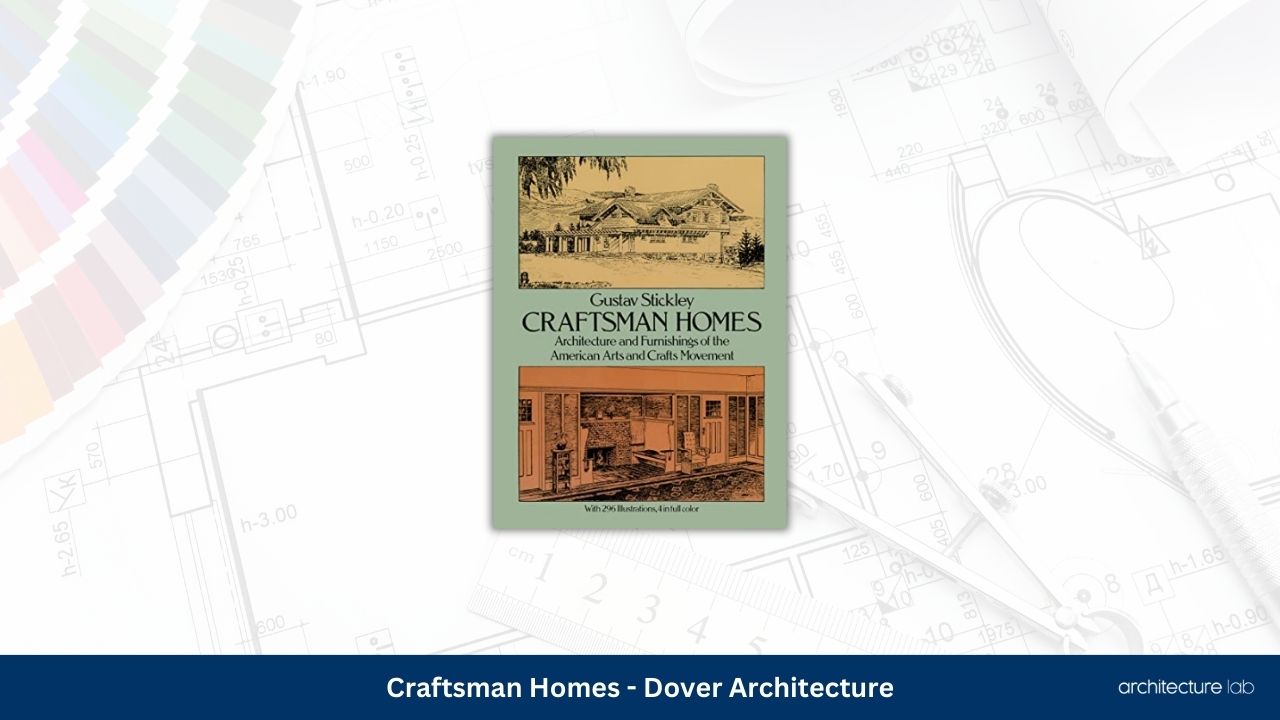
This book consists of magazine articles collected in the early 1900s and is made in the Craftsman style. Based on various classic styles, the book focuses on various architectural designs along with drawings, floor plans, and photos.
It is a good read those who are looking to study and understand Craftsman style of architecture.
24. [easyazon_link identifier=”0870702823″ locale=”US” tag=”architecture_lab-20″ link_id=”155609″ ref=”complexity-and-contradiction-in-architecture” type=”link”]Complexity and Contradiction in Architecture-By Robert Venturi[/easyazon_link]
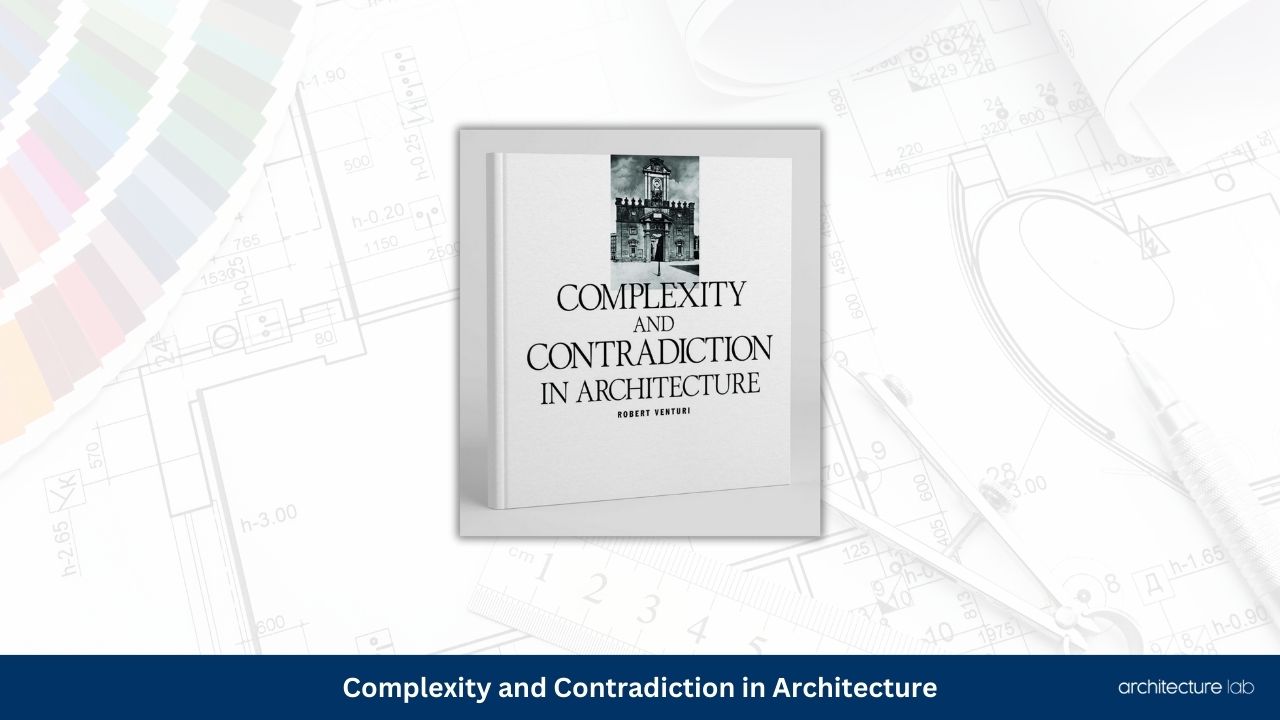
Preferred by the students in many of the top Universities worldwide, this is considered as a go-to book for many architects and students. The book has been translated into 16 languages and is one of the finest works of architect and professor, Venturi.
The theories which are stated in this book go back into history and is still very relevant today, of course with few modifications. Complete with illustrations and photos, it sure is a book worth buying!
25. [easyazon_link identifier=”8492861738″ locale=”US” tag=”architecture_lab-20″ link_id=”155611″ ref=”architecture-and-violence” type=”link”]Architecture and Violence- By Actar[/easyazon_link]
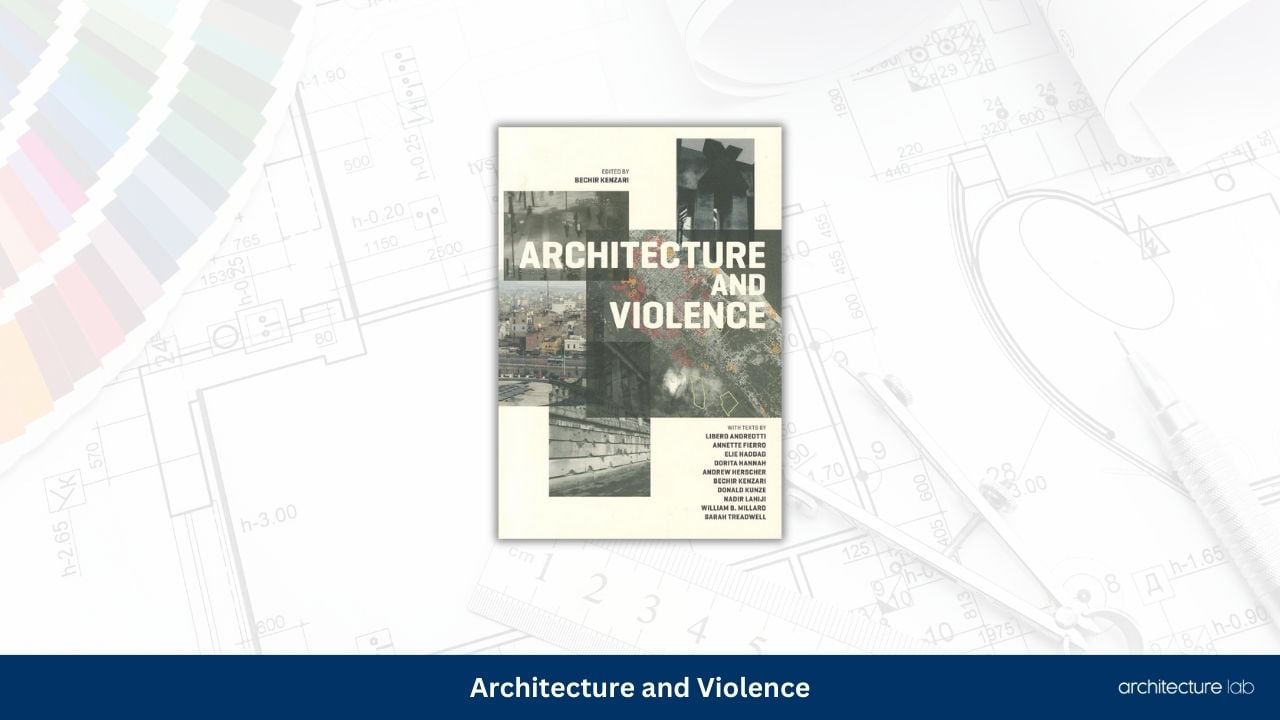
Various theorists of the field have contributed to building this book, and it is based on one of the most compelling and disturbing topics globally – Violence. With time, countries have changed and so did the architecture.
Violence has reigned and ruined various prominent as well as unimportant buildings, and it is a matter of rising concern. The knowledge that this book imparts, about how architectural grounds have been used for violence, is disturbing, yet very intriguing to learn.
26. The Ten Books On Architecture Illustrated – By Vitruvius
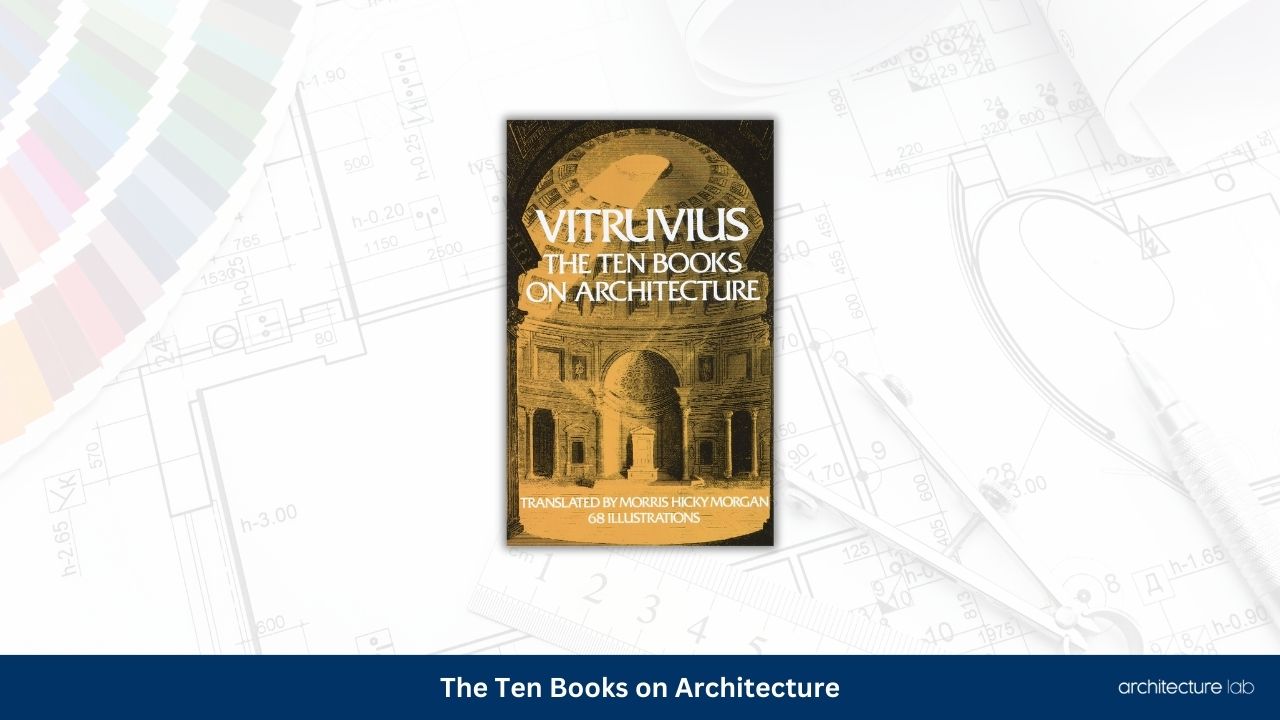
Written by the Roman architect Vitruvius, this book says a lot about the glory and enormity of Roman and Greek architecture. From ancient times till present date, Vitruvius’ book is still followed by students and professionals.
Right from the creation of great masterpieces and artwork, his work has been worshipped for decades. He describes how classic designs, symmetry, proportion and other important things matter in architecture and how it was on par with the culture.
27. [easyazon_link identifier=”B0015DWJ9Q” locale=”US” tag=”architecture_lab-20″ link_id=”155615″ ref=”the-architecture-of-happiness-vintage-international” type=”link”]The Architecture of Happiness (Vintage International)-By Alain De Botton[/easyazon_link]
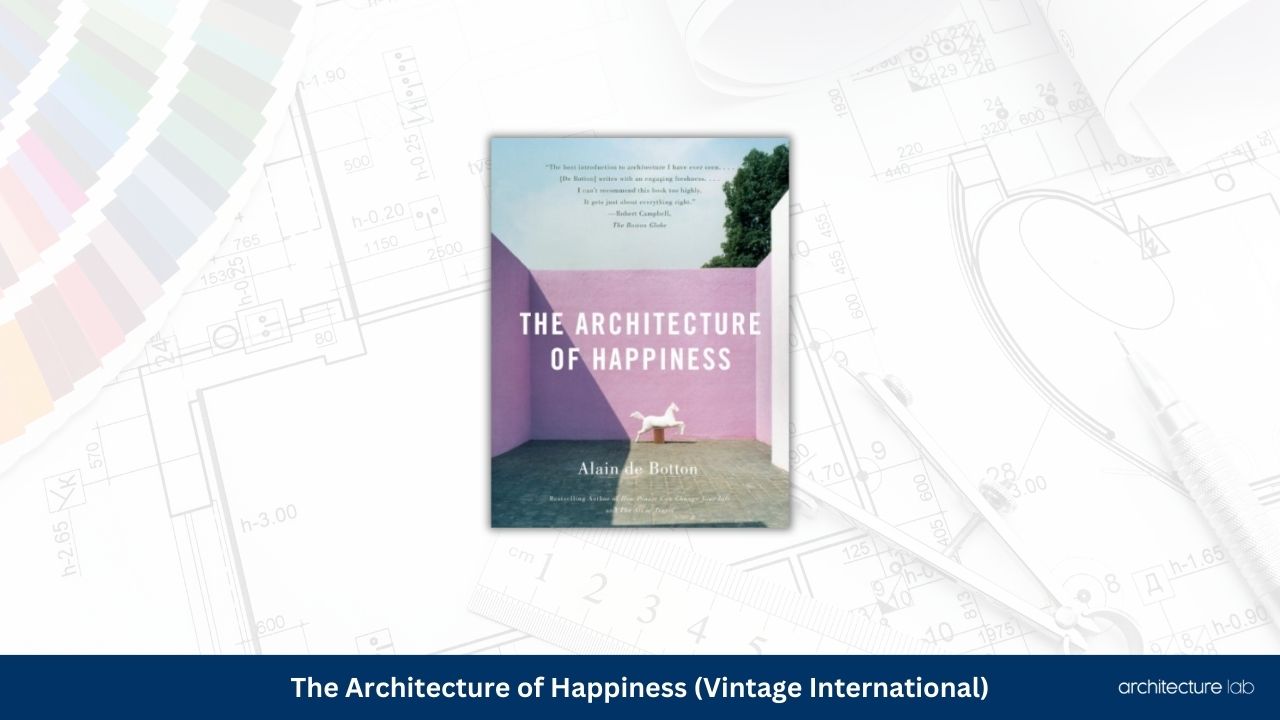
This book mainly talks about the philosophical and psychological aspects of architecture in our lives and how our environment plays a vital role in deciding our emotions. The space we live and reside is largely reflected in our behavior.
Illustrated with clear pictures, this book does not highlight the history of architecture nor the technicalities. Instead, it is all about the body, mind, and space.
28. [easyazon_link identifier=”1597265799″ locale=”US” tag=”architecture_lab-20″ link_id=”155617″ ref=”the-architecture-of-community” type=”link”]The Architecture of Community-By Leon Krier[/easyazon_link]
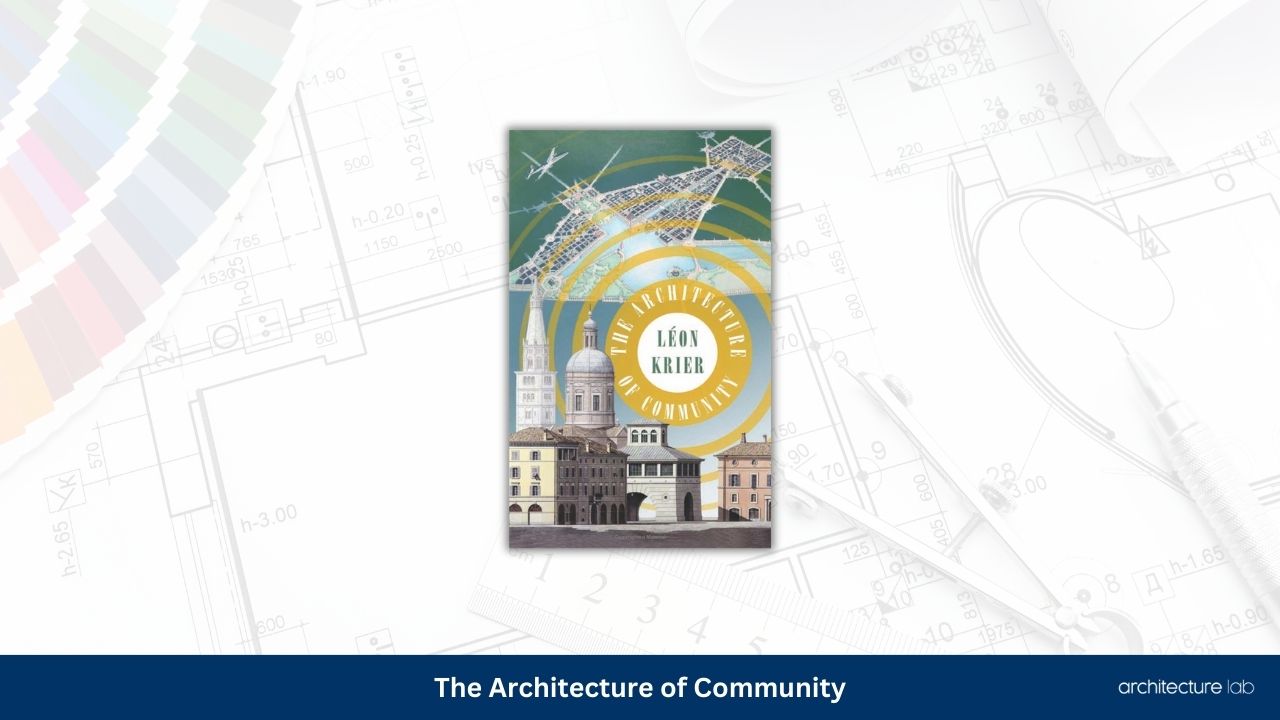
The author and architect, Leon Krier, has written both about buildings he has designed as well as others. The previous edition of the book only focused on professional terms, planning, diagrams, etc. However, with the recent edition, there is a more sustainable approach seen in the architecture he talks about.
The book has a lot of pictures, illustration, and designs which are very helpful for professionals. His designs also stand up to be referenced for recent buildings.
29. [easyazon_link identifier=”0205832261″ locale=”US” tag=”architecture_lab-20″ link_id=”155619″ ref=”baroque-and-rococo-art-and-architecture” type=”link”]Baroque and Rococo Art and Architecture- By Robert Neuman[/easyazon_link]
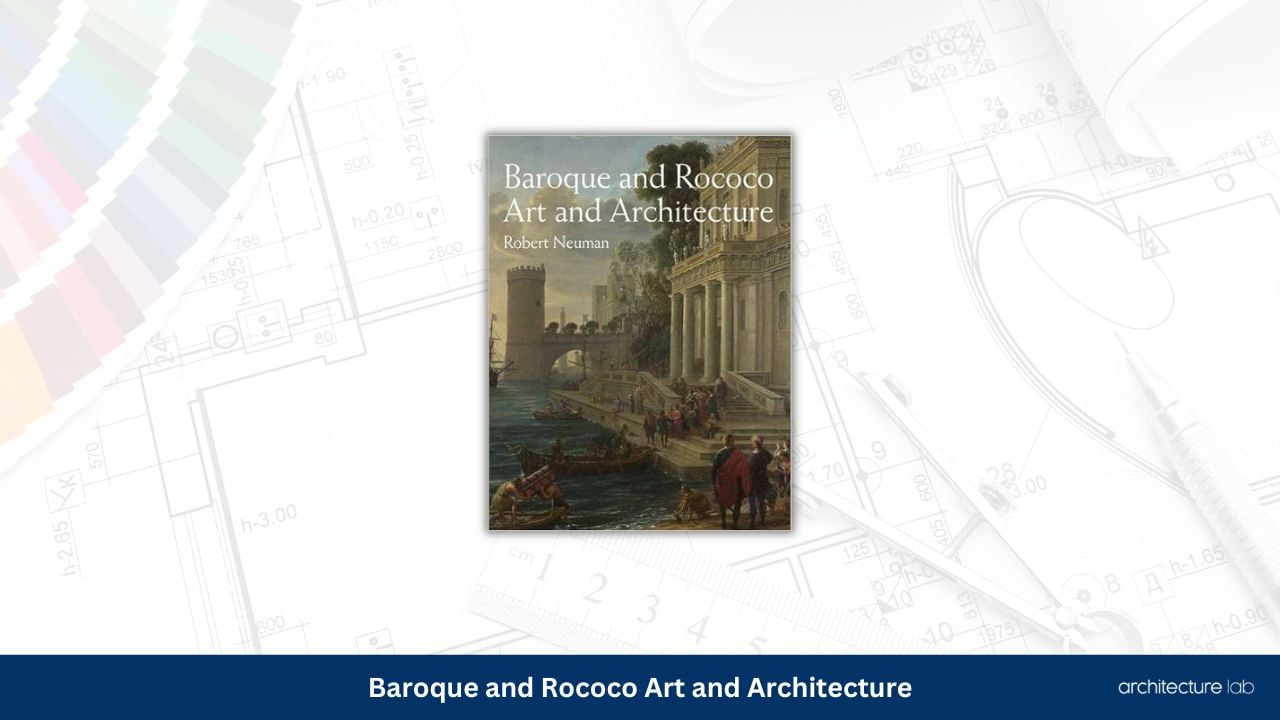
This book is about the Western art and how art was used in various ways to interpret things, along with the social and cultural contexts. It also reviews recent art and how it is interpreted.
The writer has also talked about many creative leaders and various women artists and how they how they represented family and art. It says a lot about perceptions and how artists transfer optical data to art and canvas.
30. [easyazon_link identifier=”1780673213″ locale=”US” tag=”architecture_lab-20″ link_id=”155621″ ref=”archidoodle-the-architects-activity-book” type=”link”]Archidoodle: The Architect’s Activity Book-By Steve Bowkett[/easyazon_link]
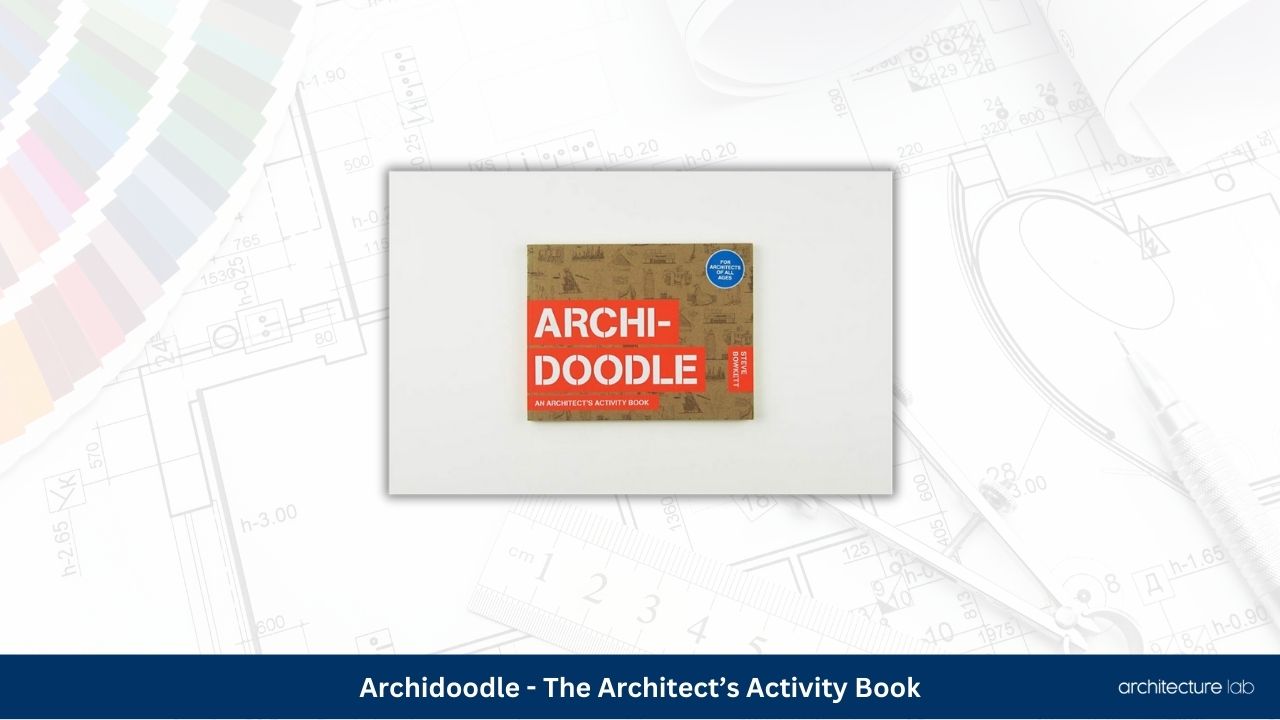
This book is a fun version of a good learning experience. It is made in creative in a way that so the reader could explore creative ideas by drawing on the pages, regardless of their age. There are various types of discussions in the book, starting from challenging architectural wonders to the ways in which you could design a simple home.
Enhanced with multiple photographs and illustrations, this book could raise various creative ideas in minds and also help in understanding how sustainable buildings are the way to go.
31. [easyazon_link identifier=”0486213080″ locale=”US” tag=”architecture_lab-20″ link_id=”155623″ ref=”the-four-books-of-architecture-dover-architecture” type=”link”]The Four Books of Architecture (Dover Architecture)-By Andrea Palladio[/easyazon_link]
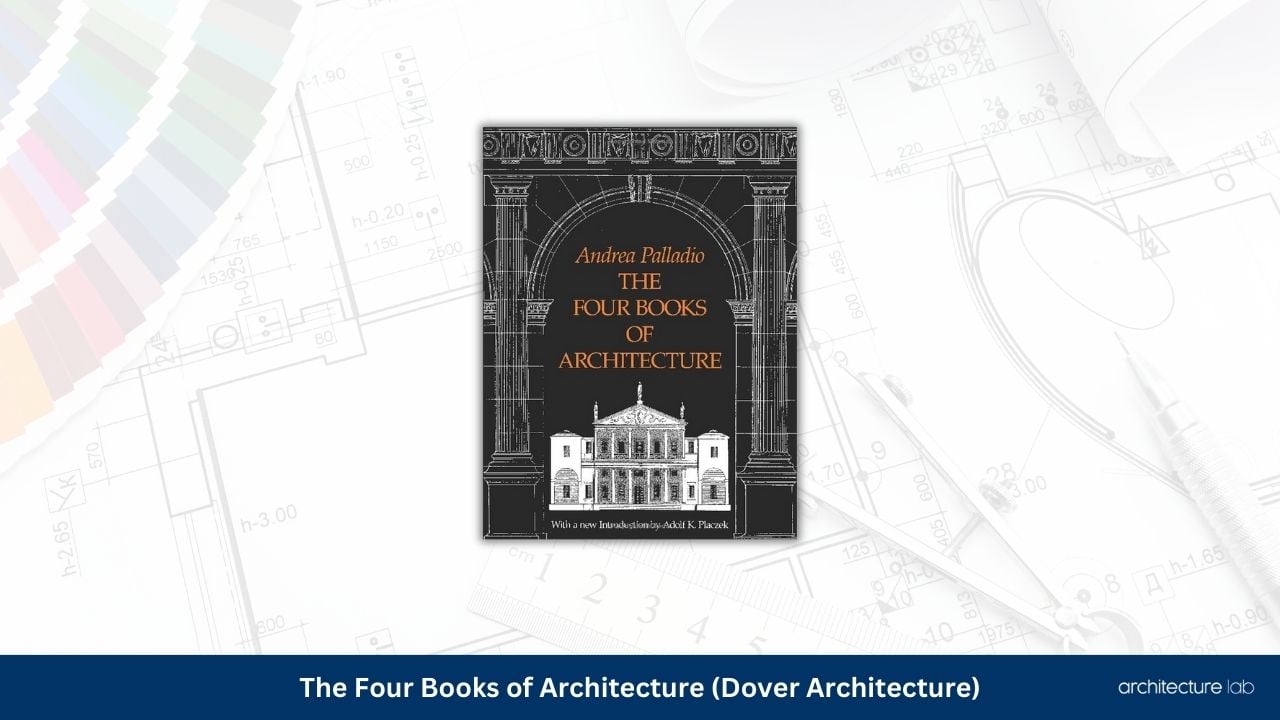
A celebrated renaissance architect and the person behind the celebrated Palladium style of building, the book is written by the genius himself. It talks about the Roman style of architecture and how different elements in it had affected the writers work.
The second book in the series talks more about private houses, mansions, etc., while the third book is about bridges, piazzas, etc. and the fourth talks about the reproduction of Roman temples. All of them are glorified with pictures and illustrations and is worth the buy!
32. [easyazon_link identifier=”B00DUVKOUW” locale=”US” tag=”architecture_lab-20″ link_id=”155625″ ref=”brunelleschis-dome-how-a-renaissance-genius-reinvented-architecture” type=”link”]Brunelleschi’s Dome: How a Renaissance Genius Reinvented Architecture-By Ross King[/easyazon_link]
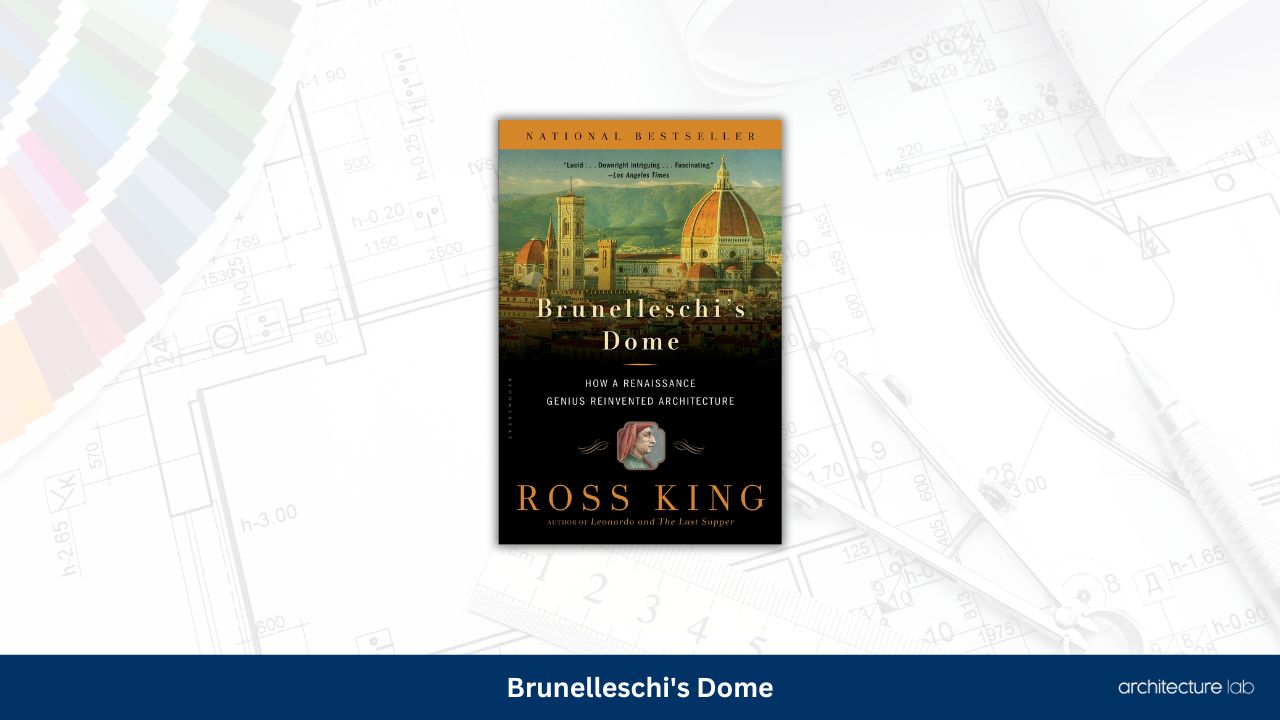
This book is a tribute to the dome built by Brunelleschi, a Renaissance genius who happened to change the way architecture was looked upon. He was famous for building the cathedral dome of Santa Maria del Fiore.
The story is about how the genius basically invented architecture and how perfectly it could be executed by designing a masterpiece dome, which is not only the largest in the world but is still standing strong.
33. [easyazon_link identifier=”B01F59BRPW” locale=”US” tag=”architecture_lab-20″ link_id=”155627″ ref=”architectures-odd-couple-frank-lloyd-wright-and-philip-johnson-link” type=”link”]Architecture’s Odd Couple: Frank Lloyd Wright and Philip Johnson- By Hugh Howard[/easyazon_link]
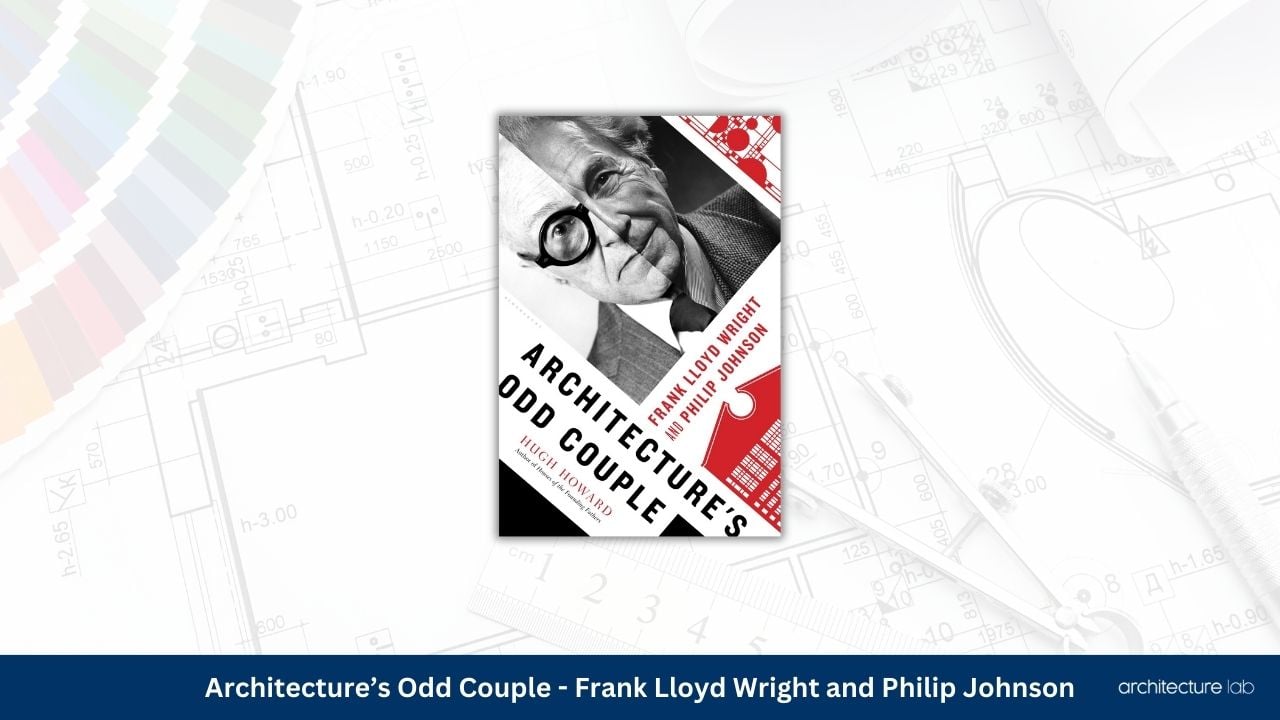
The healthy conflict between the two most celebrated architects of the twentieth century is defined in this book. Architectural geniuses, Lloyd and Johnson, had a rift which was worth appreciating to understand the history of American architecture.
The book talks about how their influence has left a strong mark in American history and will continue to do so.
34. [easyazon_link identifier=”1568989415″ locale=”US” tag=”architecture_lab-20″ link_id=”155629″ ref=”sustainable-design-a-critical-guide-architecture-briefs” type=”link”]Sustainable Design: A Critical Guide-By David Bergman[/easyazon_link]
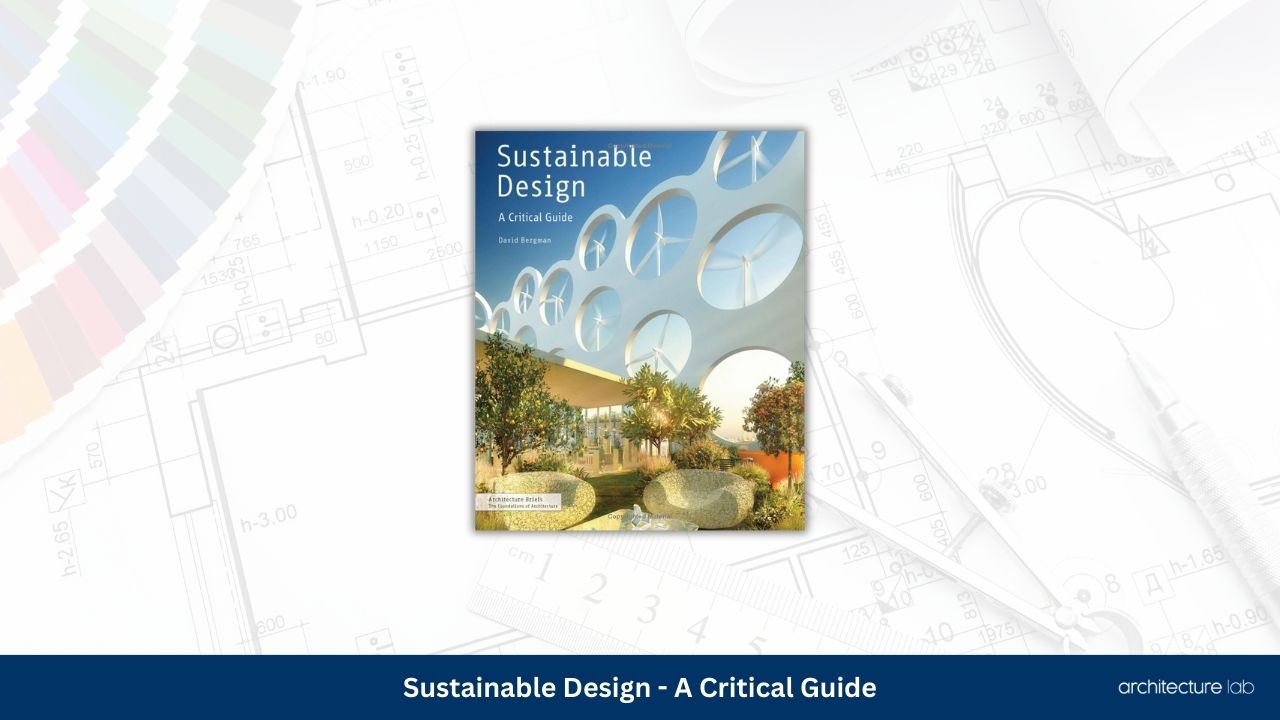
This book is mainly for architecture students and certain sets of professionals. It focuses on the importance of sustainable buildings and how it is the future of architecture all over the world.
The book has information regarding techniques which help in the preservation of natural resources with minimum damage and utilization of natural spaces in a positive manner.
35.[easyazon_link identifier=”1780676557″ locale=”US” tag=”architecture_lab-20″ link_id=”155631″ ref=”detail-in-contemporary-timber-architecture” type=”link”]The detail in Contemporary Timber Architecture-By Virginia McLeod[/easyazon_link]
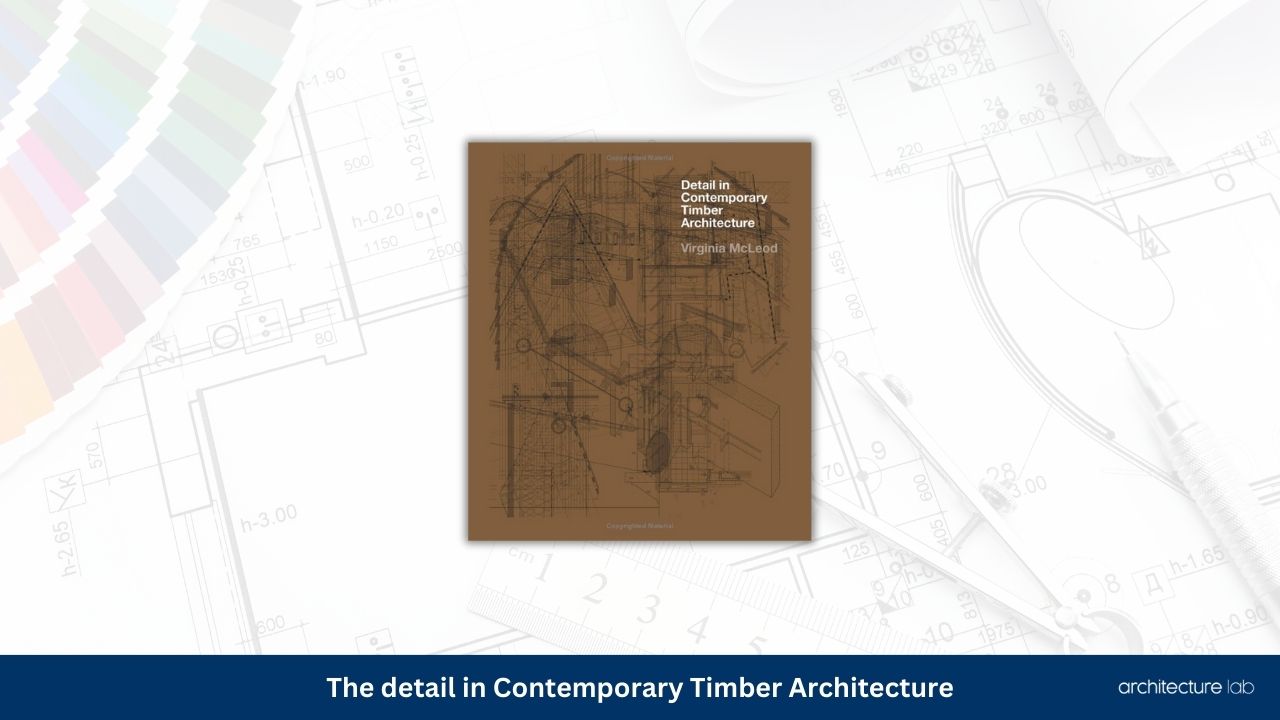
The book talks mostly about how contemporary timber designs are the way to go. It features more than 50 designs which have been completed, both for commercial and residential spaces. The book talks about the importance of understanding how timber architecture is important technically as well as aesthetically.
Each design is elaborated with texts, details of the designs, architects and various other information relevant to the design. There is also an index which gives details of the works of the architects mentioned in the book.
36. [easyazon_link identifier=”0300064675″ locale=”US” tag=”architecture_lab-20″ link_id=”155633″ ref=”architecture-in-italy-1400-1500-the-yale-university-press-pelican-history-of-art” type=”link”]Architecture in Italy, 1400-1500- By Ludwig H Heydenreich[/easyazon_link]
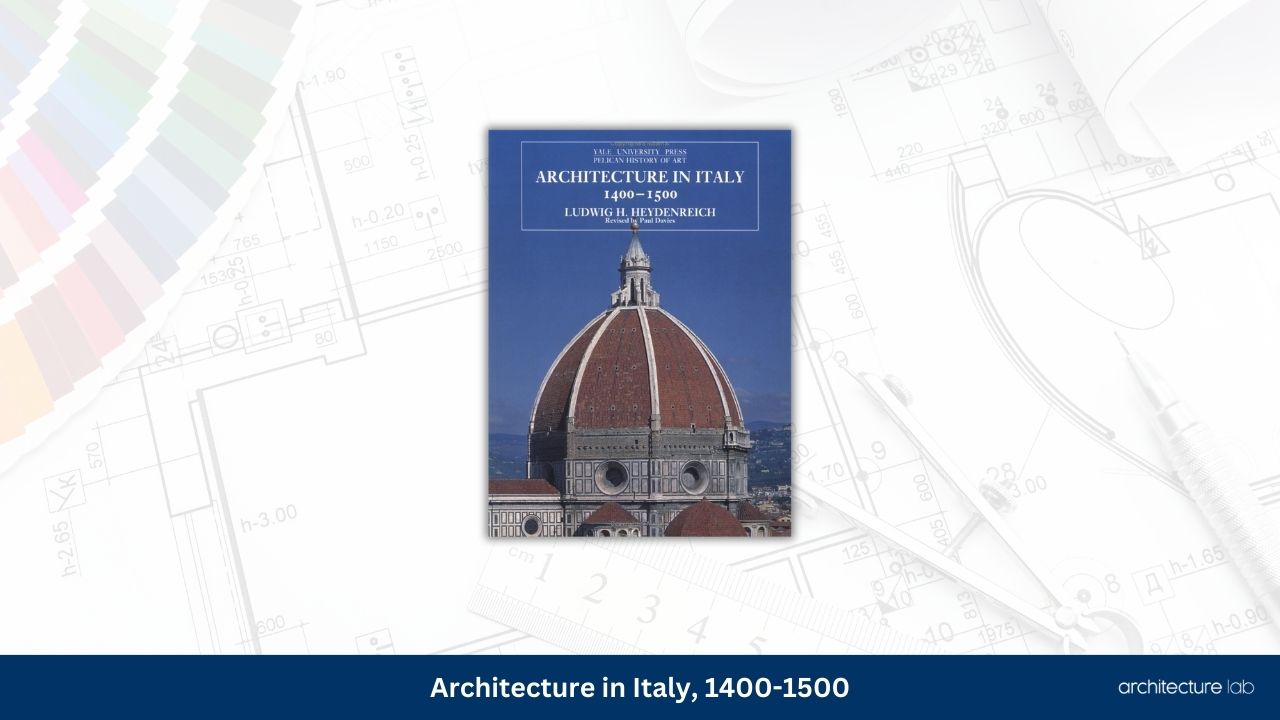
The book about architecture came about in the Renaissance period in Italy. Right from
Brunelleschi’s buildings to the works of Leonardo, this book emphasizes how Italian architecture grew.
Written in simple language with illustration of the historical facts, it sure is a must buy for art and architecture enthusiasts and students.
37. [easyazon_link identifier=”1780676190″ locale=”US” tag=”architecture_lab-20″ link_id=”155635″ ref=”archi-graphic-an-infographic-look-at-architecture” type=”link”]Archi-Graphic: An Infographic Look at Architecture- By Frank Jacobus[/easyazon_link]
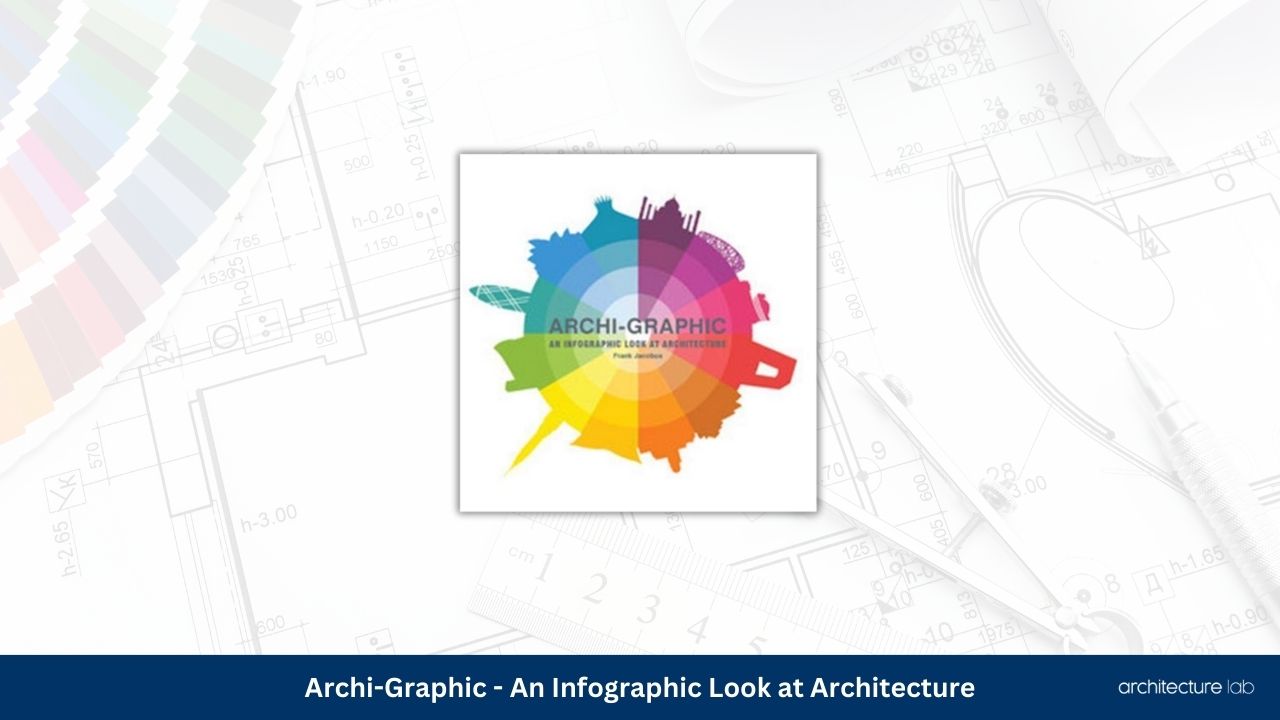
A unique book on architecture, this book uses infographics to define a lot of different architectural information. This is because it’s not just text and images anymore, and infographics change the way architecture books are looked at, and the way comparisons are made.
It is an interesting book that says a lot about different architects, like defining facial features of famous architects. It is an quite entertaining and appealing book for both young and old architects.
38. [easyazon_link identifier=”0714833568″ locale=”US” tag=”architecture_lab-20″ link_id=”155637″ ref=”modern-architecture-since-1900″ type=”link”]Modern Architecture Since 1900-By William J.R. Curtis[/easyazon_link]
This book is a contemporary classic and gives a good historical picture of architecture globally. It incorporates all the factors like socio-economic, intellectual as well as technical variants of places and how it affects architecture.
The new edition of the book defines new age architecture and the link between past and the present, and the way it changed the entire architectural presence in the world.
39. [easyazon_link identifier=”0789493349″ locale=”US” tag=”architecture_lab-20″ link_id=”155639″ ref=”the-story-of-architecture” type=”link”]The Story of Architecture- By Jonathan Glancey[/easyazon_link]
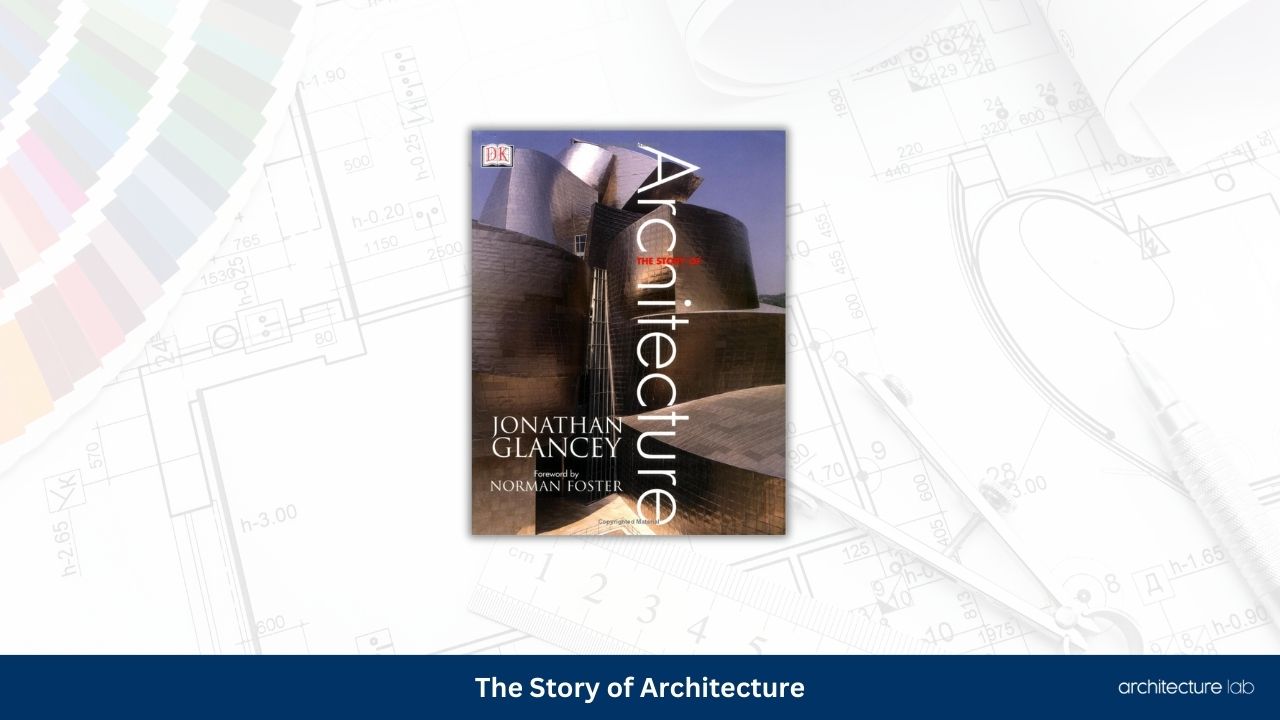
This is the perfect example of a book which is marvelous on its own, with the help of beautiful pictures. As a result, it is quite popular among architecture enthusiasts. It shows the beautiful evolution of architecture and how it has grown to its present form.
The writer has shown an amazing collection of pictures to not just depict the timeline, but also to focus on how culture and society largely affect the architecture of a place.
40. [easyazon_link identifier=”0500204063″ locale=”US” tag=”architecture_lab-20″ link_id=”155641″ ref=”art-and-architecture-in-mexico-world-of-art” type=”link”]Art and Architecture in Mexico- By James Oles[/easyazon_link]
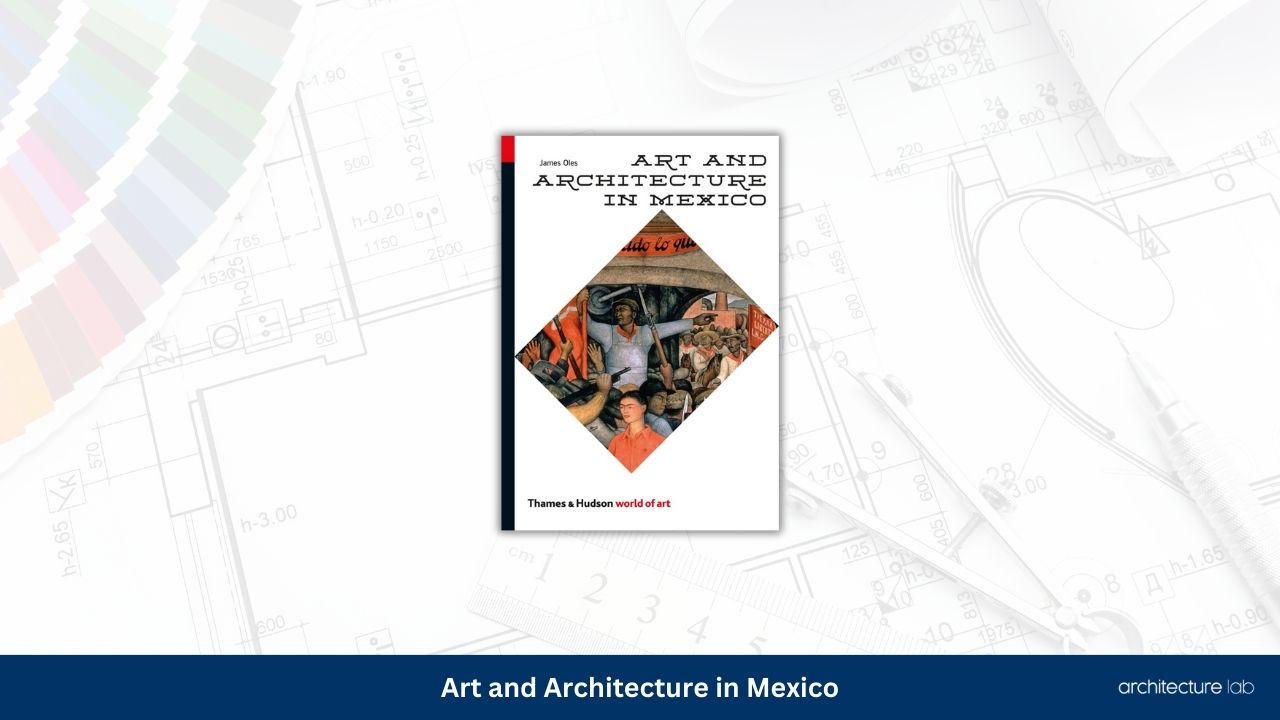
Mexico has been under the Spanish reign for a very long time and has come a long way to develop to its current state. In this book, the author writes about how colonial architecture has changed over years with the influence of factors like society, culture, and development.
It portrays the work of various famous architects and women of the nineteenth and twentieth century.
41. [easyazon_link identifier=”0816649405″ locale=”US” tag=”architecture_lab-20″ link_id=”155643″ ref=”the-architecture-of-madness-insane-asylums-in-the-united-states-architecture-landscape-and-amer-culture” type=”link”]The Architecture of Madness: Insane Asylums in the United States- By Carla Yanni[/easyazon_link]
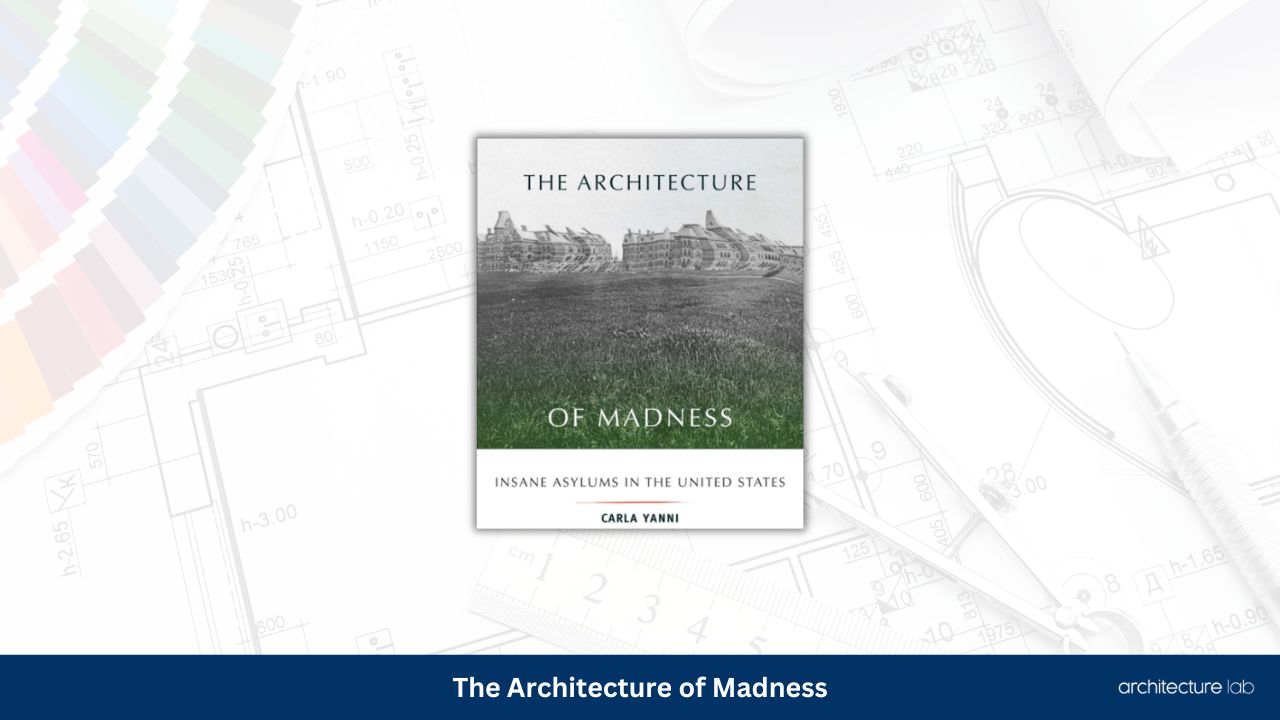
Portraying a very different take on architecture books, this book talks all about the architecture of the nineteenth-century asylums and how inhumane they were when it came to treating patients with mental diseases. Various large architectural buildings were used as mental hospitals, and still still stand as a symbolism of the cruelty that had prevailed within.
With changing times, Kirkbride’s plans of treating patients in a more novel manner started to prevail, and thus the architectural relevance of asylums started to deteriorate.
42. [easyazon_link identifier=”0470402571″ locale=”US” tag=”architecture_lab-20″ link_id=”155645″ ref=”a-global-history-of-architecture” type=”link”]A Global History of Architecture-By Mark M. Jarzombek, Vikramaditya Prakash[/easyazon_link]
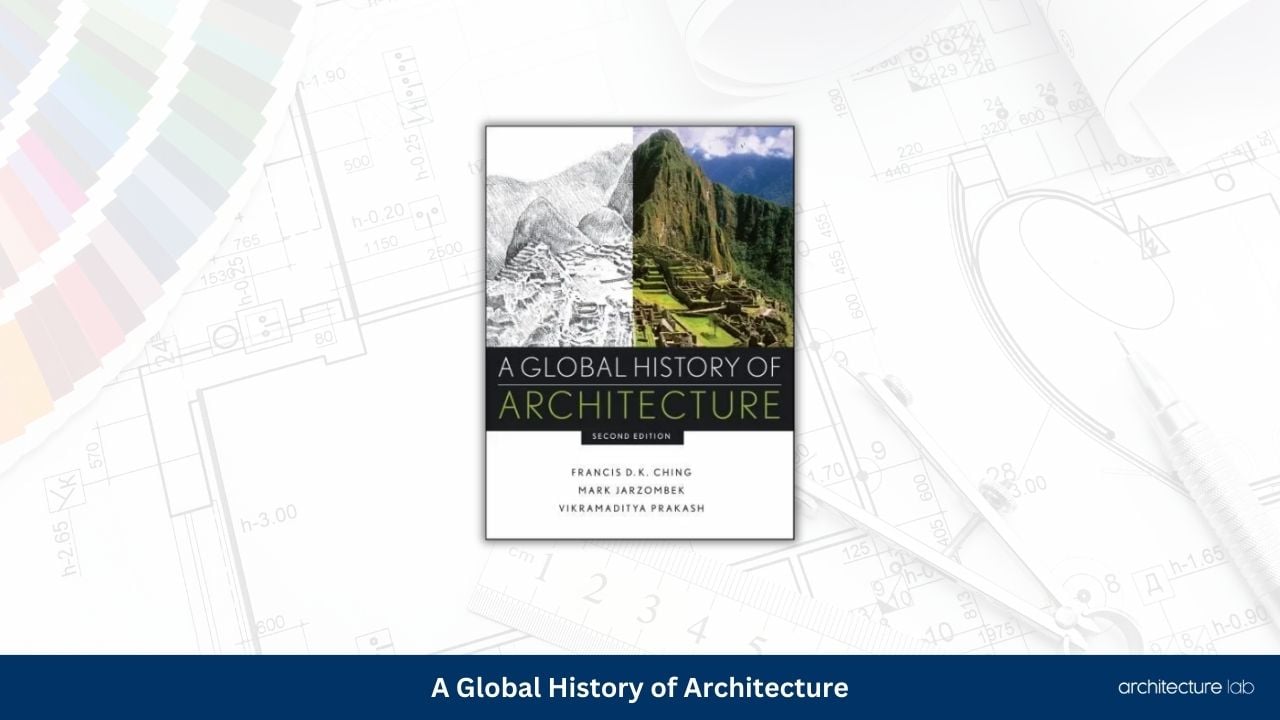
The revised edition of this book has information brought together by architectural experts and reveals work ranging from 3500 BC to present day. It talks about various movements and changing times which influenced architecture. It focuses more on non-western architecture.
The best part of the book is that it is organized in a chronological manner and is thus easy to read. It is both appealing to casual readers as well as architecture students and professionals. It also incorporates various drawings which are shown to be useful by many a expert.
43. [easyazon_link identifier=”1118142101″ locale=”US” tag=”architecture_lab-20″ link_id=”155647″ ref=”architecture-of-first-societies-a-global-perspective” type=”link”]The Architecture of First Societies: A Global Perspective- By Mark M. Jarzombek[/easyazon_link]
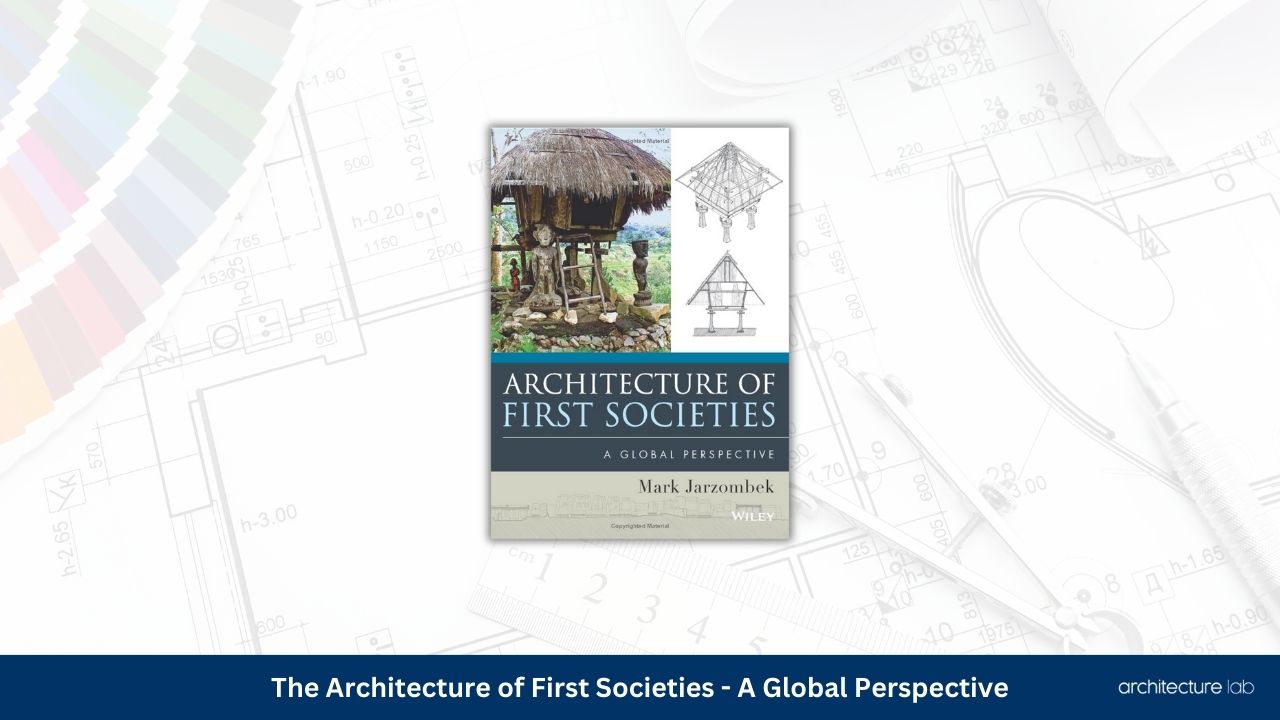
The book is about how materialistic culture came into existence and how it evolved to grow into what it is today. It talks about different cultural formations, starting from earliest civilizations.
History and facts are enriched in this book, along with a variety of pictures maps and drawings. It throws light on latest researches and how cultures help to build societies and architecture.
44. [easyazon_link identifier=”178067564X” locale=”US” tag=”architecture_lab-20″ link_id=”155649″ ref=”sketching-for-architecture-interior-design-a-practical-guide-on-sketching-for-architecture-and-interior-design-students” type=”link”]Sketching for Architecture + Interior Design- By Stephanie Travis[/easyazon_link]
If you are someone who needs to work more on your sketching and drawing skills, for interiors and buildings of-course, then this is the right book for you. Intricately designed with forty-five step-by-step procedures of how to sketch freehand, without the use of computers is the focus of this book.
The author has also included beautiful sketches made by her, and the book will be extremely useful for students who want to to take their skills a notch higher.
45. [easyazon_link identifier=”050020294X” locale=”US” tag=”architecture_lab-20″ link_id=”155651″ ref=”architecture-after-modernism-world-of-art” type=”link”]Architecture After Modernism. World of Art- By Diane Ghirardo[/easyazon_link]
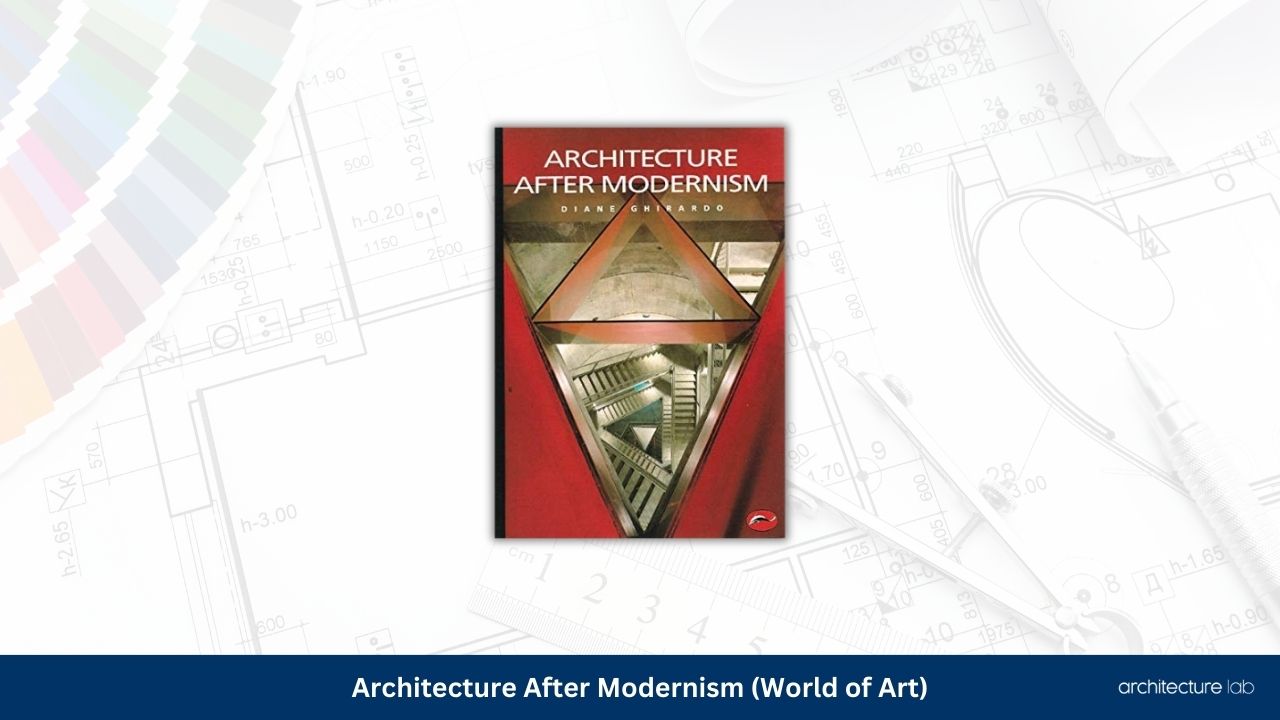
The book talks about the theories of architecture starting from the late 1960s with reference to political and social issues. Even though it talks about the architecture of a specific period, most of them are about big projects and not individual buildings.
The book talks about lesser-known architects, emerging stars, women in the field of architecture, their work and the reformation of urban architecture of certain prominent buildings.
46. [easyazon_link identifier=”0486244571″ locale=”US” tag=”architecture_lab-20″ link_id=”155653″ ref=”drawings-and-plans-of-frank-lloyd-wright-the-early-period-1893-1909-dover-architecture” type=”link”]Drawings and Plans of Frank Lloyd Wright: The Early Period- By Frank Lloyd Wright[/easyazon_link]
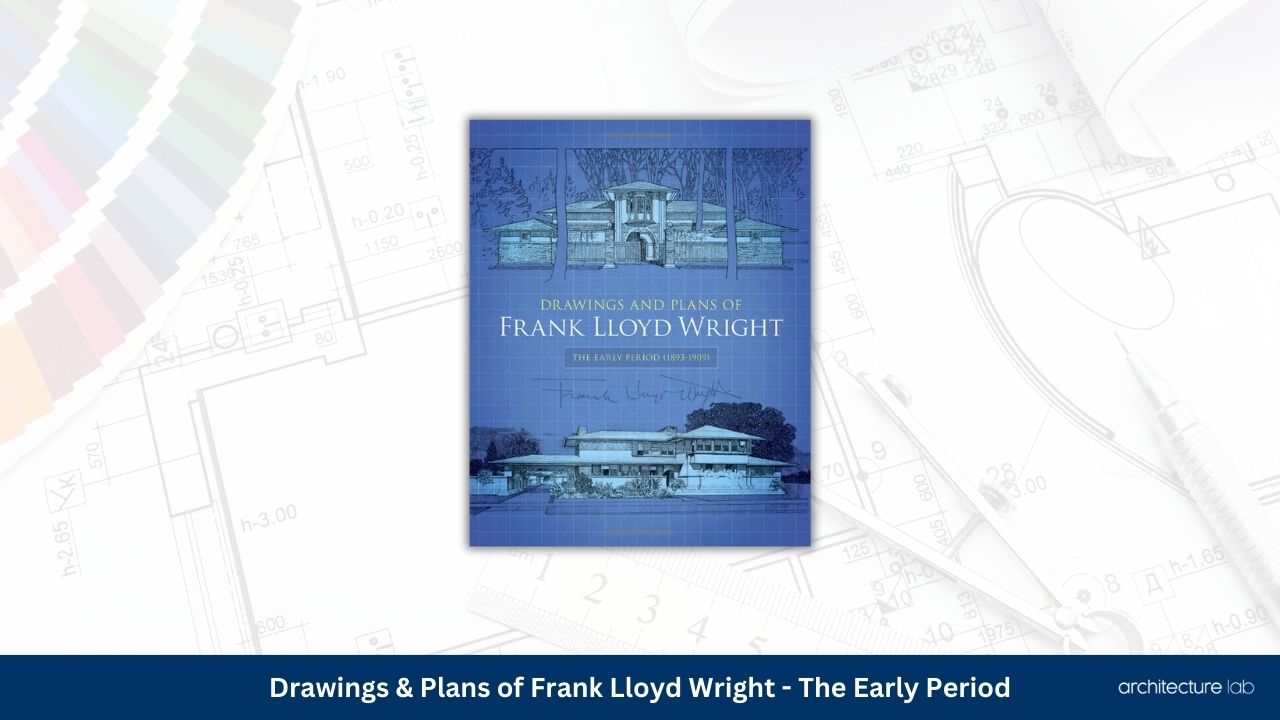
Written by the great architect Frank Lloyd, this book is not about lot of technical terms and measurements. Instead, it is a blueprint and a series of captivating images showing how architecture was during his time.
The Wasmuth drawings were the architects first drawings and showed various designs of homes, cottages, offices, etc. It is one of the most famous works of the architect.
47. [easyazon_link identifier=”0300168179″ locale=”US” tag=”architecture_lab-20″ link_id=”155655″ ref=”why-architecture-matters-why-x-matters-series” type=”link”]Why Architecture Matters- By Paul Goldberger[/easyazon_link]
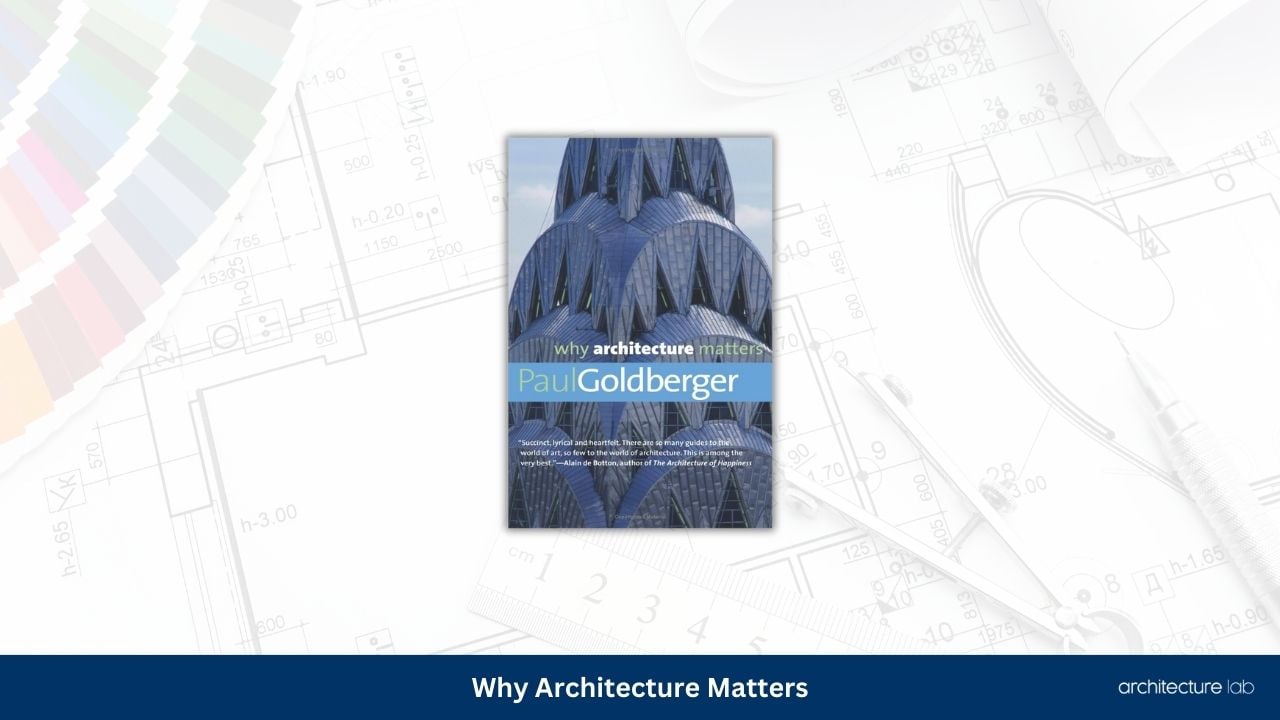
This book is not about facts, figures or different buildings. It is about the impact of architecture on us, emotionally. Looking at the works of the greatest architects in the building, one may feel a rush of emotions. And this is what the book is made of.
From proportion to scale, materials, and texture, the goal of the writer is to make us aware of the intricacies of architecture. It is worth a read and will change your views on how architecture is perceived.
48. [easyazon_link identifier=”0847835987″ locale=”US” tag=”architecture_lab-20″ link_id=”155657″ ref=”how-to-read-churches-a-crash-course-in-ecclesiastical-architecture” type=”link”]How to Read Churches: A Crash Course in Ecclesiastical Architecture-By Denis R. McNamara[/easyazon_link]
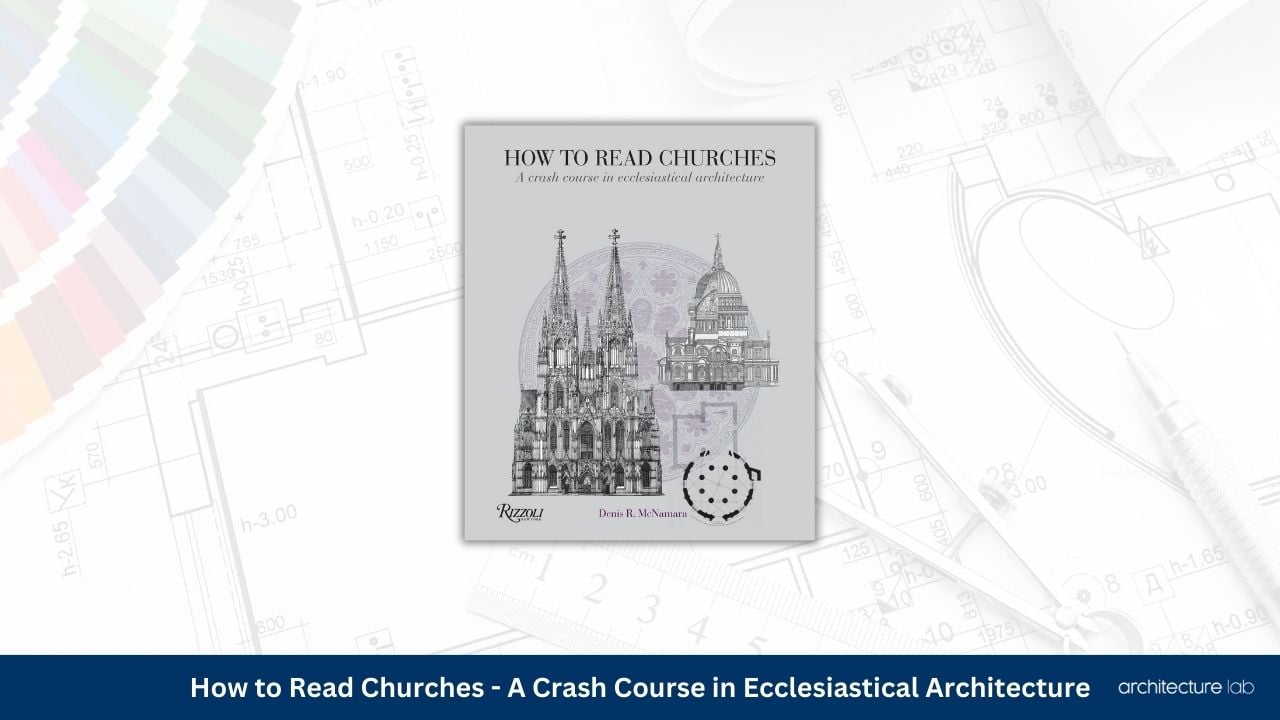
With everything about religious buildings, this handbook is the best deal for architecture buffs and people who are intrigued by a church and religious architecture. The book talks about the details of the building designs, symbols, who built it, why they adopted the style they did, etc.
It is organized chronologically, and according to architectural elements. The introduction includes why each part of the church was named the way they are and the entire history of it!
49. The Architecture of the Italian Renaissance- By Peter Murray.
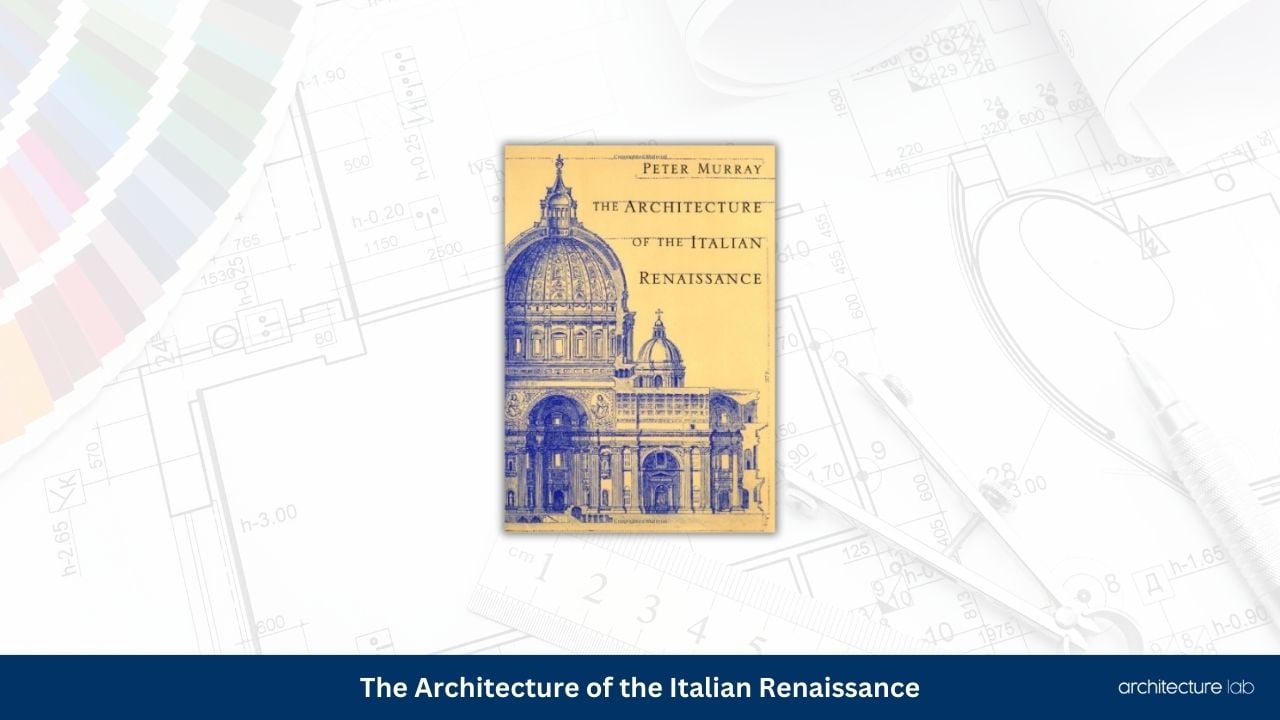
Italian Renaissance and the magnificent artwork that it has gifted us will forever be cherished and remembered, and this book emphasizes the architecture of the same period. From the 13th to the 16th century, the greatest works of Italian artists are portrayed in this book, and with fine elegance!
The diagrams and photos are abundant in the book and are very easy to read. Hence, any
layperson who is interested in Italian Renaissance would highly appreciate this book.
50. [easyazon_link identifier=”0847833208″ locale=”US” tag=”architecture_lab-20″ link_id=”155660″ ref=”architecture-of-the-sun-los-angeles-modernism-1900-1970″ type=”link”]The Architecture of the Sun: Los Angeles Modernism- By Thomas S. Hines[/easyazon_link]
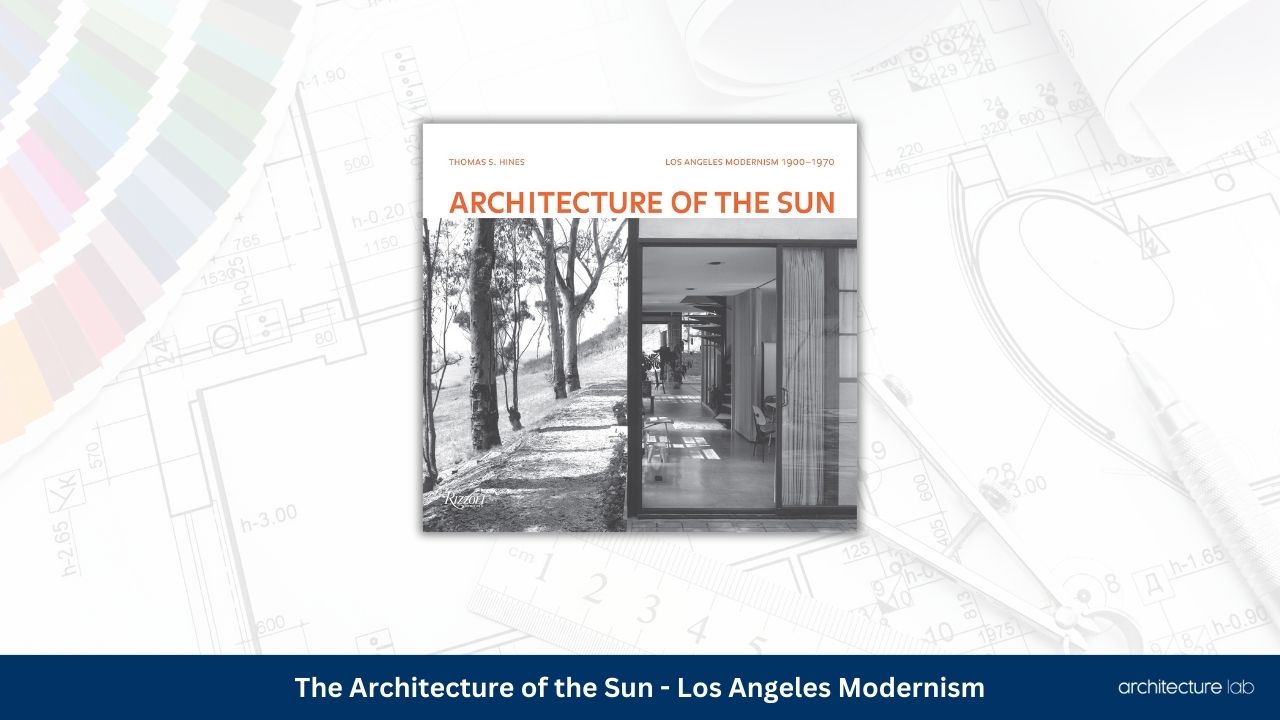
This book is about the architecture of twentieth-century Los Angeles and its various contexts. The author emphasizes the work of various architects and concepts of modernism and regionalism. A lot of famous architects are talked about in this book and their ideas are briefed, including those of Frank Lloyd and Rudolph Schindler.
The modernism of Los Angeles, how it reformed and came to post the modernist critique of architecture is reflected in this book.
So, these are the summary of the top 50 architecture books that you must read if you are an architecture fanatic or are into designing. Even if you are not, some of these books are worth your buy and time!
Related Articles
11 Frank Lloyd Wright Books | Inspiration for Architects
13 Best Bookshelves You Can Buy Online and Actually Want
28 Best Bauhaus Books That Showcase 100 Years of Design School

